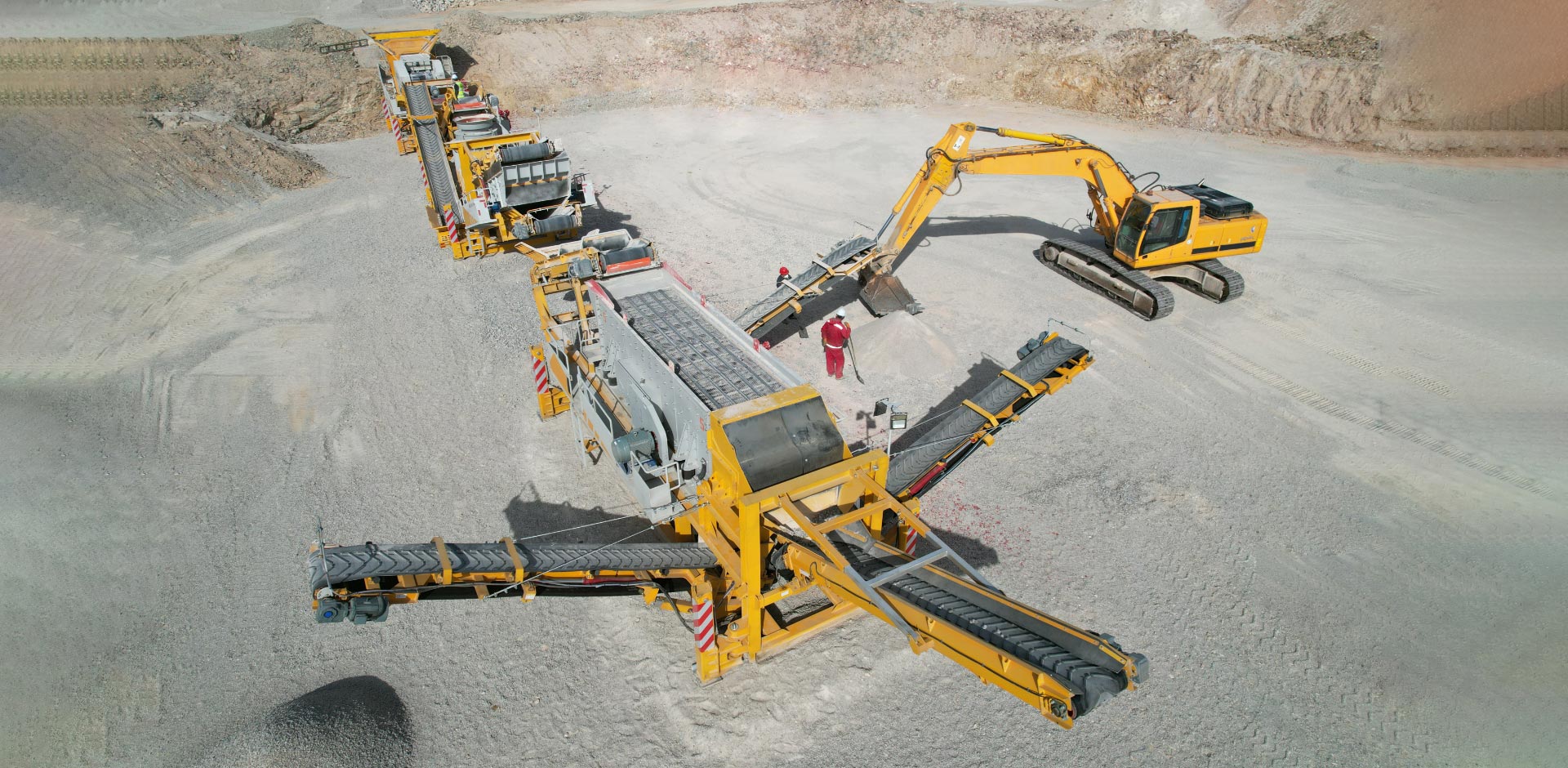
Variable rock hardness can make sand and aggregate production difficult to control, even when a crushing plant operates with the same equipment settings. Changes in rock strength, abrasiveness, moisture, and feed size affect crusher throughput, power consumption, product gradation, and wear-part life. To maintain stable output, operators need to identify geological changes early and adjust the crushing circuit, feed rate, and screening process accordingly. A well-configured plant should accommodate normal variations in raw material without compromising product quality or causing excessive operating costs.
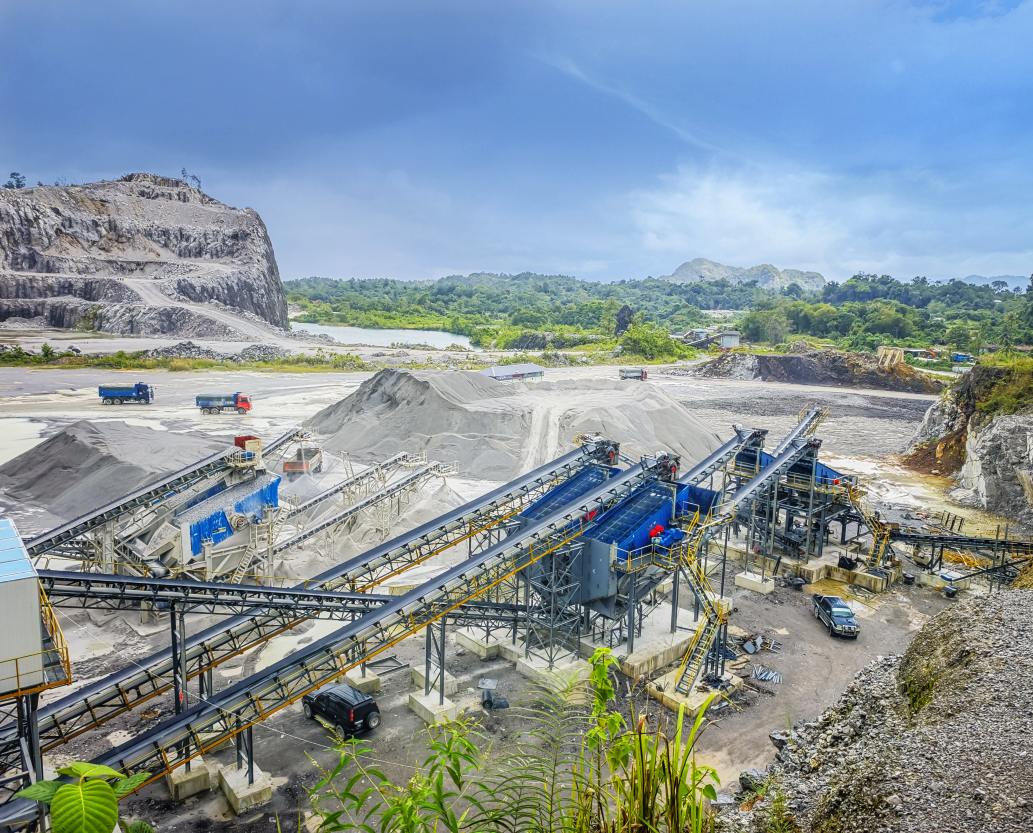
1. How Geological Variations Affect Sand and Aggregate Production
Rock hardness determines how much energy is required to reduce material to the target size. However, hardness is only one part of the picture. Abrasiveness, fracture characteristics, mineral composition, and natural jointing also influence crushing performance. Two rock types with similar compressive strength can produce different wear rates and particle shapes under the same operating conditions.
Hard and Abrasive Rock
Granite, basalt, and some quartz-rich rocks can place substantial demands on crushing equipment. When harder material enters the plant, the crusher may require more power to maintain the same reduction ratio. Throughput can decline if the feed rate remains unchanged and the motor approaches its operating limit. Abrasive minerals can also accelerate wear on liners, blow bars, and other contact surfaces, gradually changing the crusher’s effective geometry and product size distribution.
Softer or More Fractured Rock
Softer limestone and weathered rock may break more easily, allowing higher throughput under suitable conditions. However, increased production does not always mean better results. Some materials generate excessive fines, especially when they contain weak or friable particles. Fractured feed may also produce an uneven flow of different particle sizes, affecting screening efficiency and the balance between coarse aggregate and manufactured sand.
Mixed Geological Feed
Quarries often expose several rock layers or zones with different properties. A production face may contain hard intact rock alongside weathered sections, clay-bearing material, or softer inclusions. When these materials enter the plant in inconsistent proportions, power demand and crusher performance can fluctuate from one shift to another. Without feed monitoring and operational adjustments, the plant may experience unstable output, inconsistent gradation, and unpredictable maintenance requirements.
2. Identify Material Changes Before Adjusting the Plant
Operators should establish a baseline for each main geological zone rather than treating all quarry feed as identical. Useful information includes rock type, approximate hardness, abrasiveness, moisture content, maximum feed size, and the proportion of fines. Laboratory testing can help characterize strength and abrasion, while routine inspection of the quarry face and delivered feed can identify visible changes.
Production data can reveal changes that are not immediately obvious. A sustained increase in motor current, a drop in tons per hour, a rise in circulating load, or a change in the percentage of undersized material may indicate that the feed properties have shifted. Comparing these indicators with the current extraction area helps operators distinguish geological changes from mechanical faults.
For larger operations, maintaining a record of material characteristics by bench or extraction zone improves planning. The production team can anticipate harder feed, prepare suitable crusher settings, and schedule wear-part inspections before performance deteriorates. This approach is more reliable than reacting only after output has fallen.
3. Configure the Crushing Circuit for Different Rock Conditions
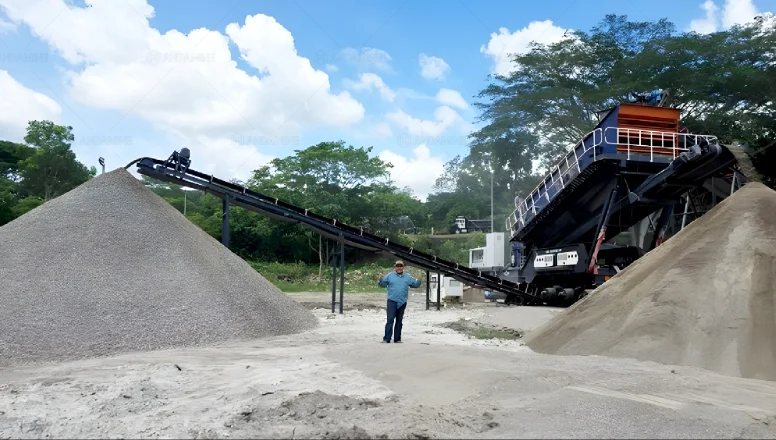
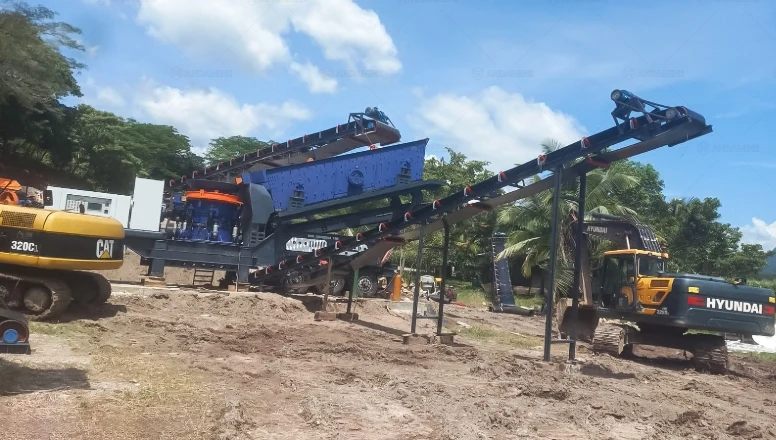
The appropriate crushing configuration depends on the material’s properties, feed size, required product sizes, and production target. A single machine setting cannot deliver optimal performance across every geological condition. An aggregated crushing plant should therefore be designed with sufficient control over feeding, crushing, screening, and material recirculation.
Match Crusher Types to Material Characteristics
Jaw crushers are commonly used for primary size reduction because they can handle large feed material. Cone crushers are often suitable for secondary or tertiary crushing of hard, abrasive rock. Impact crushers can be useful for materials where particle shape and reduction characteristics are priorities, but highly abrasive feed may cause rapid wear and increase operating costs. The final choice should be based on material testing and the required product specification rather than rock names alone.
For example, a gravel crushing machine processing river gravel may face a different combination of hardness, particle shape, and abrasion than equipment processing freshly blasted granite. Rounded gravel can be difficult to grip under some crushing conditions, while quartz-rich particles may accelerate wear. The crusher type, chamber design, feed arrangement, and reduction stages should be evaluated together.
Control Feed Size and Feeding Consistency
Oversized rocks can overload a crusher, while excessive fines may reduce effective crushing capacity or interfere with downstream separation. A properly selected grizzly or pre-screen can remove suitable undersized material before primary crushing, reducing unnecessary machine load. A controlled feeder also helps prevent surges that cause unstable power demand and uneven product sizes.
When harder rock enters the system, operators may need to reduce the feed rate to keep the crusher within its power and mechanical limits. When softer material arrives, the feed rate can sometimes be increased, provided that downstream screens, conveyors, and stockpile systems can handle the additional volume.
Adjust Closed-Circuit Operation
In a closed-circuit crushing system, oversize material returns to the crusher for further reduction. This arrangement helps control final product size, but circulating load can rise sharply when the material becomes harder or the crusher’s performance declines. Excessive recirculation occupies crusher capacity and increases energy consumption without necessarily increasing saleable output.
Operators should monitor the feed rate, screen efficiency, crusher discharge, and return flow together. Adjusting the crusher setting without checking the entire circuit may shift the bottleneck from one machine to another. The goal is to maintain the required product specification while keeping the total system balanced.
4. Maintain Consistent Aggregate Gradation and Sand Yield
Changes in rock hardness affect not only throughput but also the distribution of particle sizes. Hard, blocky material may produce a different size distribution from softer, heavily fractured feed. These differences can change the proportion of saleable coarse aggregate, manufactured sand, and excess fines.
Routine sampling is essential when feed conditions change. Screen analysis helps determine whether each product meets its grading requirements and whether excessive material is accumulating in a particular size range. If coarse aggregate is too large, the secondary crushing stage may need adjustment. If manufactured sand contains excessive fines, operators should examine the feed properties, crusher settings, and classification or washing process before making changes.
A marble crusher used to process marble for construction aggregates or mineral applications must also be configured for the intended end product. Marble hardness and abrasiveness vary with mineral composition and impurities. Depending on the application, the plant may need to prioritize particle shape, controlled fines generation, or a specified size range. Testing the actual marble feed is more dependable than selecting settings based solely on the material name.
Where washing is part of the process, changes in the amount of fine material can also affect water demand, dewatering performance, and the recovery of usable sand. Operators should monitor both the final product grading and the quantity of valuable material lost with wastewater or sludge.
5. Reduce Wear and Control Operating Costs
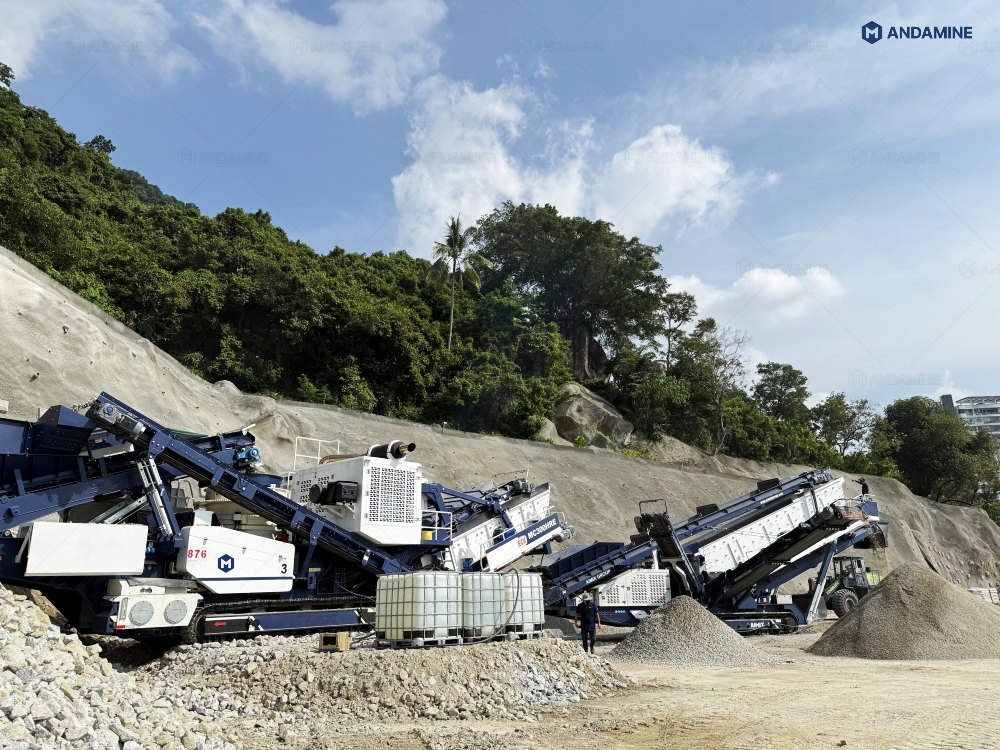
Variable hardness and abrasiveness can shorten wear-part life, particularly when the plant processes hard rock for extended periods. Worn liners, blow bars, and crushing surfaces gradually alter the crushing chamber or impact profile. As a result, a machine may consume more energy or produce less consistent material even if its operating settings have not changed.
Inspection intervals should reflect the material being processed and the machine’s operating history. After entering a more abrasive geological zone, operators should check wear more frequently and record changes in throughput, power consumption, and product gradation. Wear parts should be replaced based on condition and manufacturer recommendations rather than waiting for a major production failure.
Cost analysis should focus on the cost per ton of saleable product, not simply the tons passing through the crusher. Harder feed may increase electricity use and wear-part consumption while reducing output. Softer feed may increase throughput but generate more low-value fines. Tracking energy, labor, maintenance, and product yield together helps identify which operating adjustments improve profitability.
6. Build a Practical Response Plan for Geological Changes
A consistent response procedure reduces the risk of making several unnecessary adjustments at once. When output changes, operators should first verify the feed material and check for blockages, worn parts, feeder problems, and screen faults. If geological variation is confirmed, they can adjust feed rate and crusher settings within the equipment’s operating limits, then measure the effect on throughput and product quality.
- Before production: Review the extraction area, expected rock type, feed size, and moisture conditions.
- During operation: Monitor motor load, tons per hour, crusher discharge, screen performance, and circulating load.
- After adjustments: Sample finished products and confirm that output gradation and quality remain within specification.
- For maintenance: Record wear rates and inspection findings for each major material type or geological zone.
- For production planning: Blend compatible materials where practical and avoid sudden feed changes that exceed the plant’s design capacity.
Conclusion
Stable sand and aggregate production depends on matching plant operation to the material entering the crushing circuit. Changes in rock hardness, abrasiveness, fracture patterns, and moisture can affect throughput, product grading, wear rates, and cost per ton. By monitoring geological conditions, controlling feed, balancing crushing and screening stages, and tracking saleable product yield, operators can respond to changing raw materials without relying on constant trial and error. The most effective plant is not necessarily the one with the highest rated capacity, but the one that consistently produces specification-compliant aggregates under the site’s actual operating conditions.