Yes, a 120 TPH asphalt plant can supply asphalt for both road and industrial projects in Malaysia when its configuration matches the project demand. A 120 TPH plant has a nominal production capacity of 120 tons per hour. This capacity can support many medium and large paving projects when the plant, truck fleet, and paving equipment work together.
However, capacity alone should not drive the buying decision. Malaysian contractors also need to consider aggregate moisture, mix design, bitumen storage, fuel consumption, transport distance, project schedules, and future workload. A plant that looks suitable on paper may still perform poorly if its logistics do not match the job site.
For contractors who want to serve several project types, a 120 TPH plant can offer useful production flexibility. It can support highway work, urban roads, industrial estates, factory access roads, bridge approaches, and other asphalt applications. The key is to select the right plant configuration before placing the order.
For this reason, it helps to understand the role of an asphalt mixer plant as part of the complete asphalt production system, rather than looking at the 120 TPH rating alone.
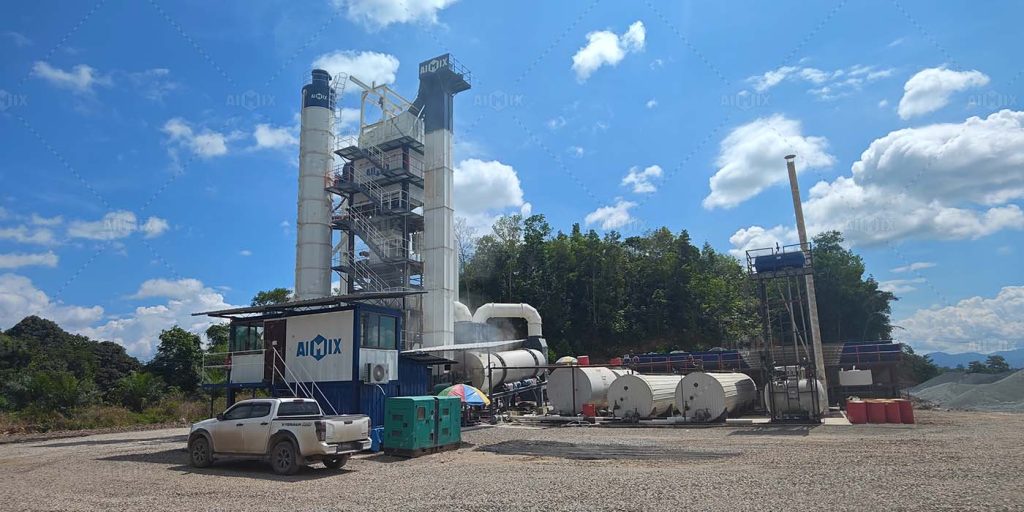
What Does A 120 TPH Asphalt Plant Mean For Malaysian Contractors?
A 120 TPH asphalt plant has a rated production capacity of 120 tons of asphalt mixture per hour under suitable operating conditions. It does not mean that the plant will produce exactly 120 tons every hour on every project.
Actual production depends on several operating factors. Aggregate moisture, mix gradation, heating requirements, fuel type, material feeding, truck availability, and maintenance all affect effective output.
For example, if the plant achieves six effective production hours per day, its theoretical output is about 720 tons per day. At eight effective hours, the figure rises to about 960 tons. At ten effective hours, it can reach approximately 1,200 tons.
| Effective Production Hours | Theoretical Daily Output | Typical Planning Consideration |
|---|---|---|
| 4 hours | 480 tons/day | Smaller or intermittent projects |
| 6 hours | 720 tons/day | Medium road projects |
| 8 hours | 960 tons/day | High-volume daily paving |
| 10 hours | 1,200 tons/day | Peak production periods |
These figures are theoretical capacity calculations. They should not replace a project-specific production plan. In practice, contractors need time for plant startup, mix changes, loading, maintenance, and unexpected delays.
Therefore, the useful question is not simply, “Can 120 TPH produce enough asphalt?” It is, “Can the plant provide enough practical output for my project schedule?”
Can A 120 TPH Plant Supply Road Construction Projects?
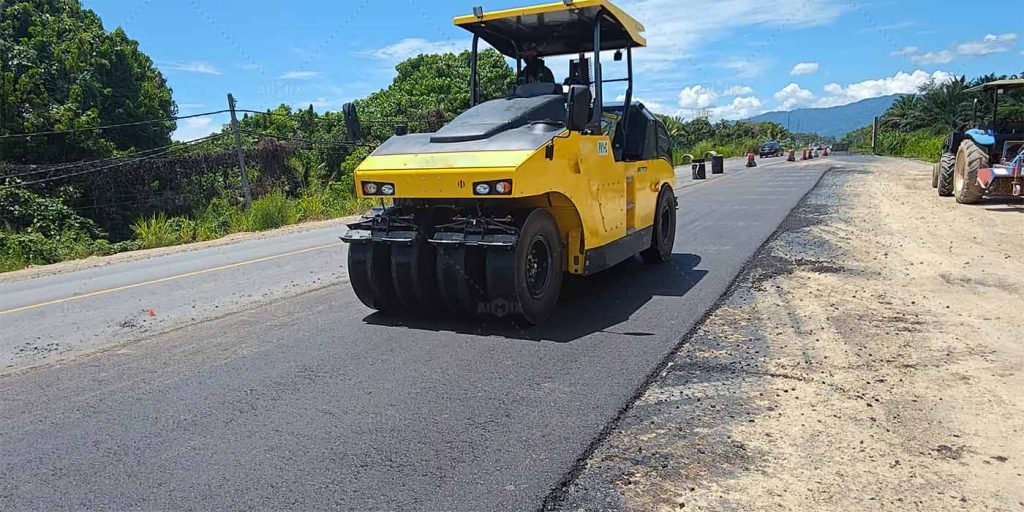
Yes. Road construction is one of the most practical applications for a 120 TPH asphalt plant.
Malaysian road projects can range from urban rehabilitation to highway construction. They can also involve bridge approaches, industrial access roads, rural roads, and airport-related infrastructure. These projects often require a consistent supply of hot asphalt mixture during defined paving windows.
A 120 TPH plant can provide substantial production capacity without requiring contractors to operate a very large plant. This makes it worth considering when daily demand is in the several-hundred-ton range.
Road Projects That Can Suit 120 TPH
- Urban road construction and rehabilitation
- Highway construction sections
- State and rural road projects
- Bridge approach roads
- Industrial estate access roads
- Port and logistics roads
- Airport access roads
- Road resurfacing projects
However, plant capacity must match paving capacity. If the paving crew cannot accept the asphalt quickly enough, maximum plant output has little value.
Therefore, contractors should calculate the complete production chain. The asphalt plant, trucks, paver, rollers, and site traffic plan should support the same production target.
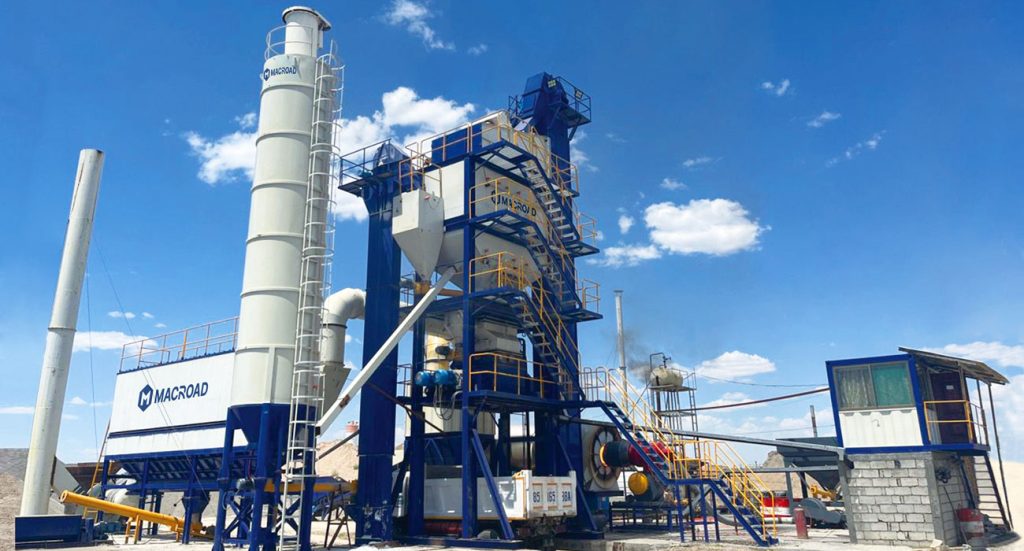
Can The Same 120 TPH Plant Serve Industrial Projects?
Yes. A 120 TPH plant can also support many industrial construction projects.
Industrial estates require more than factory buildings. They also need internal roads, loading areas, truck yards, parking areas, warehouse access routes, and heavy-duty circulation areas.
These surfaces can experience frequent truck movement and concentrated loads. Consequently, contractors need consistent asphalt quality and a mix design that matches the engineering requirements of the project.
The same asphalt plant can potentially supply several industrial projects when the sites remain within a practical transportation distance. This gives contractors an opportunity to improve plant utilization.
Industrial Applications For A 120 TPH Plant
- Industrial estate roads
- Factory access roads
- Warehouse roads
- Heavy truck yards
- Loading and unloading areas
- Logistics center access roads
- Manufacturing facility parking areas
- Internal plant roads
This flexibility is particularly useful for contractors who do not want to depend on one type of project. Road contracts may create seasonal demand. Industrial projects can help fill production gaps.
As a result, a 120 TPH plant can become a production asset for multiple contracts instead of equipment dedicated to one project.
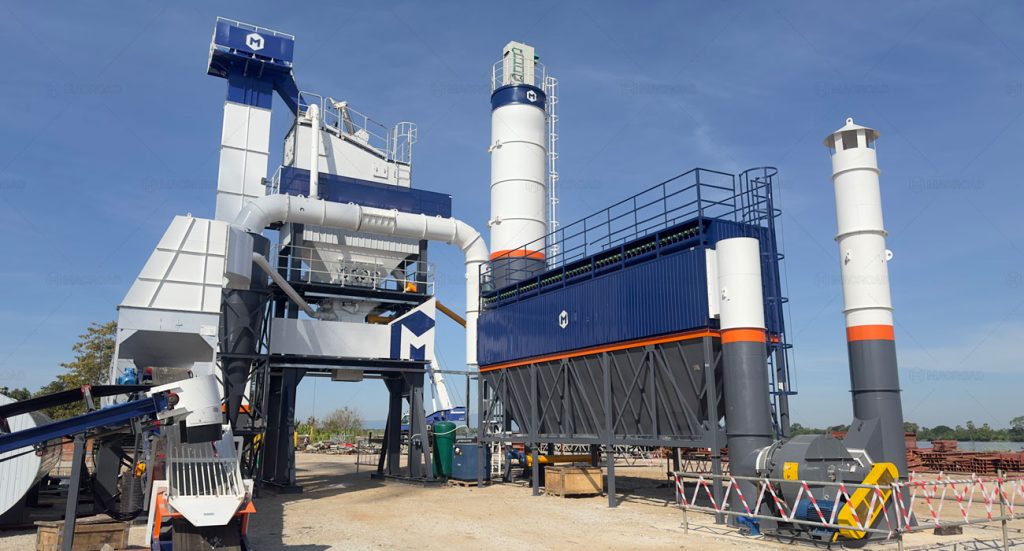
Why A 120 TPH Batch Plant Can Be Practical For Multiple Projects
Road and industrial projects do not always use the same asphalt mixture. Aggregate gradation, binder content, filler requirements, and performance requirements can change from one project to another.
That is why contractors should consider production flexibility when selecting the equipment. A properly configured asphalt mixing and batching plant can produce controlled batches and adjust material proportions according to the required mix design.
This becomes important when one plant serves several customers. For example, a contractor may produce one asphalt mixture for a highway project in the morning and another mixture for an industrial access road later in the production schedule.
Instead of treating every project as identical, the contractor can configure production around the actual specification.
Controlled Aggregate Proportioning
Aggregate proportioning directly affects asphalt mixture quality. The plant should provide suitable cold aggregate bins and weighing systems for the required materials.
For a contractor serving several projects, enough feeding flexibility can reduce production restrictions. It also makes it easier to manage different aggregate gradations.
Controlled Asphalt And Filler Addition
Bitumen and filler systems also affect mix consistency. The plant should accurately weigh and add these materials according to the selected mix design.
Good control becomes particularly important when the contractor supplies projects with different technical specifications.
Fast Mix Changes
Production schedules can change quickly. A project may need a different mix because the paving section has changed.
A batch production system can help contractors manage these changes in a structured way. The operator can adjust production parameters instead of treating the entire plant as a single continuous material flow.
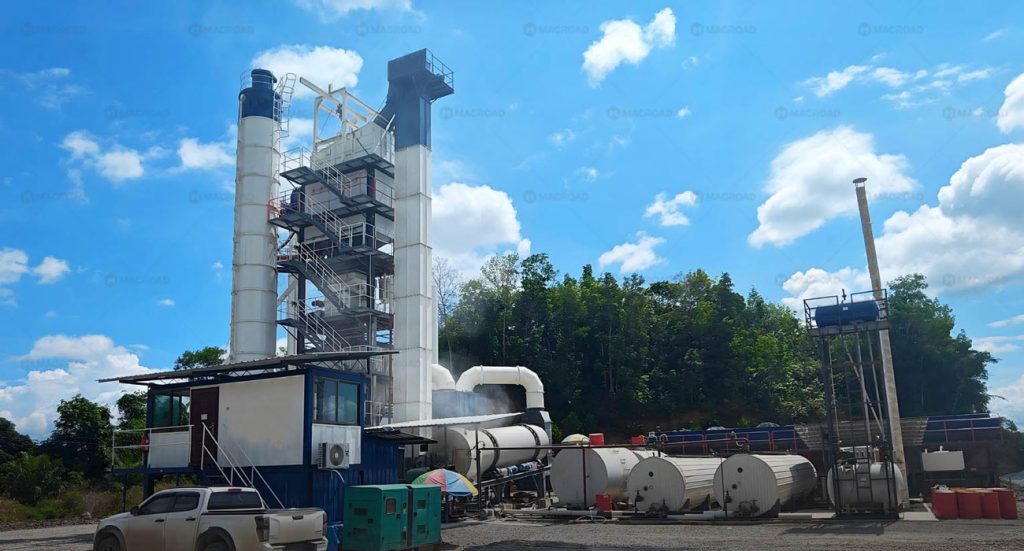
How Much Asphalt Can A 120 TPH Plant Supply Per Day?
The answer depends on effective operating hours and actual plant utilization.
For example, a project requiring 600 tons of asphalt per day would theoretically need five hours of production at 120 TPH. Yet five hours should not automatically become the planned operating period.
The contractor still needs to account for warm-up, truck loading, material changes, quality checks, cleaning, and possible delays.
Therefore, having additional production capacity can provide useful operational headroom. If weather or traffic restrictions create a shorter paving window, the plant may need to produce more material during the available hours.
This is one reason contractors should avoid selecting a plant based only on average daily demand. Peak demand matters too.
What Should Malaysian Contractors Check Before Choosing 120 TPH?
Once the required capacity becomes clear, the next step is to check the plant configuration.
A 120 TPH rating does not tell you enough about the drying system, screening system, dust collector, mixer, bitumen storage, or control system. Each component affects production performance.
Aggregate Moisture
Aggregate moisture can significantly affect the drying process. Wet aggregate requires more heat to reach the required temperature.
Malaysia’s tropical climate makes aggregate stockpile management especially important. Contractors should consider drainage, stockpile protection, and material handling when planning the plant site.
Reducing unnecessary moisture can also help stabilize fuel demand.
Aggregate Gradation
Different asphalt mixtures may require different aggregate combinations. Therefore, contractors should review the number of aggregate fractions needed for their expected projects.
The cold feed system should provide enough flexibility for the target mix designs. Otherwise, the contractor may face production limitations later.
Drying And Heating
The dryer must provide enough heating capacity for the required output and material conditions.
Contractors should not compare dryers only by physical size. They should also consider aggregate moisture, target production, fuel type, and required discharge temperature.
Bitumen Storage
Bitumen storage should match production requirements. If the plant produces hundreds of tons of asphalt each day, insufficient bitumen storage can interrupt production.
Contractors should estimate bitumen consumption from expected daily output and binder content. This gives a more useful storage target.
Dust Collection
Dust collection is another important consideration. The system should suit the plant capacity and local environmental requirements.
Contractors should also consider the surrounding environment. Plant location, nearby communities, stockpiles, internal traffic, and prevailing site conditions can all affect site management.
Control System
Modern control systems can help operators manage feeding, weighing, heating, mixing, and production records.
For contractors serving several projects, production data can also support quality management. Operators can monitor production parameters and identify unusual operating conditions more quickly.
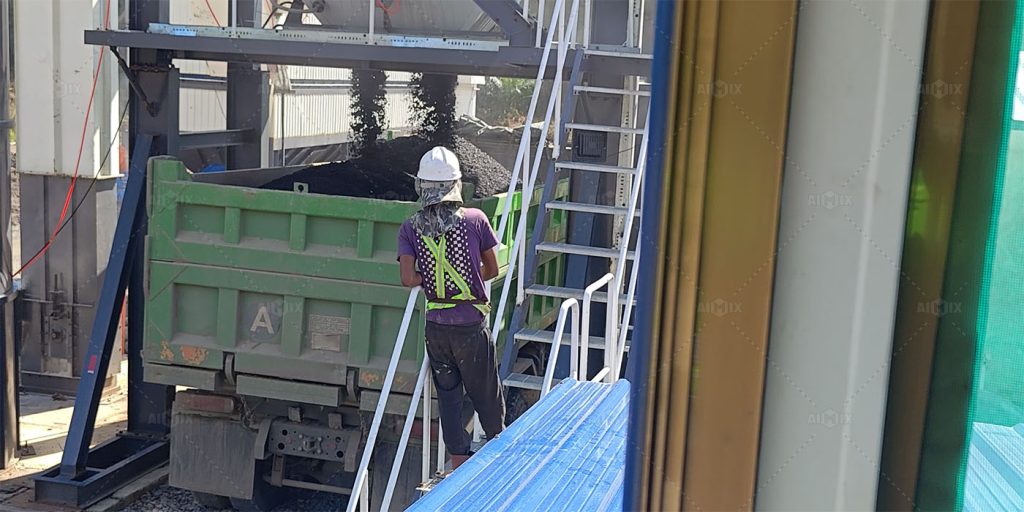
How Does Plant Location Affect A 120 TPH Investment?
Plant location can directly affect the commercial value of a 120 TPH asphalt plant.
Hot mix asphalt must travel from the plant to the paving site. Long haul distances can increase transport costs and create additional temperature management challenges.
Therefore, contractors should evaluate the plant location together with their project pipeline.
For example, a contractor serving projects around Selangor may prioritize access to major transport routes. A contractor working in Sabah or Sarawak may place greater emphasis on regional logistics and project accessibility.
The right location can also allow one plant to serve several nearby projects. This can improve annual utilization and reduce the risk of leaving the plant idle between contracts.
Consequently, plant location should be treated as part of the equipment investment rather than an issue to solve after purchasing the plant.
Should You Choose A Stationary Or Mobile 120 TPH Plant?
The answer depends on how stable your project locations are.
A stationary 120 TPH plant can make sense when a contractor expects long-term production from one region. A fixed installation can support a stable supply network and long-term project operations.
On the other hand, contractors with projects that move between regions may benefit from a mobile configuration. A mobile plant can provide greater flexibility when project locations change.
When A Stationary Plant Makes Sense
- You have a long-term project pipeline in one region.
- You plan to supply several nearby projects.
- The plant site has suitable infrastructure.
- You expect consistent production for several years.
- You want a central asphalt production base.
When A Mobile Plant Makes Sense
- Your projects change locations frequently.
- You work on rural or remote projects.
- You need to move production closer to paving sites.
- You want to reduce long-term hauling distances.
- You expect several temporary project sites.
Thus, the right 120 TPH plant is not necessarily the same for every Malaysian contractor. Project geography should influence the final configuration.
How Can A 120 TPH Plant Support Different Asphalt Mix Requirements?
One major advantage of a well-designed batch plant is production flexibility.
Road contractors may need asphalt mixtures for different pavement layers. Industrial projects may require mixes designed for heavier traffic or specific surface applications.
The plant should therefore provide suitable aggregate screening, weighing, mixing, and bitumen control.
For contractors considering a hot mix plant for sale, the evaluation should focus on the complete configuration rather than the headline production number.
Ask the supplier how the proposed plant will handle your actual aggregate sizes. Ask how the plant will manage your required binder content. Ask how quickly operators can change production settings. Also ask how the plant will perform under your expected operating schedule.
These questions provide more useful information than simply comparing two plants by TPH.
How Should You Match Plant Output With Your Truck Fleet?
Truck logistics can become the bottleneck when plant output is high.
For example, a plant producing 120 tons per hour needs enough trucks to transport the asphalt to the paving site. The required number depends on truck payload, haul distance, loading time, unloading time, traffic conditions, and return time.
A short haul may allow a truck to complete several cycles per hour. A longer haul may reduce the number of cycles significantly.
Therefore, truck fleet planning should start with the actual project route.
The same 120 TPH plant may work efficiently with one fleet on a nearby industrial project but require a larger fleet for a distant highway section.
This is why asphalt plant selection should involve the production and logistics teams together.
Can One 120 TPH Plant Support Road And Industrial Contracts At The Same Time?
It can support both types of contracts, but simultaneous supply requires careful scheduling.
If two projects require asphalt at exactly the same time, total demand becomes more important than plant capacity alone. A 120 TPH plant cannot produce 240 tons per hour simply because two projects need material.
Instead, the contractor can use production scheduling to allocate available capacity. One project may receive asphalt during one production window, followed by another project later.
This approach works best when project schedules allow some flexibility.
If both projects require sustained maximum production at the same time, the contractor may need additional production capacity or another supply source.
What Are The Main Cost Factors Beyond The Plant Price?
The purchase price is only one part of the investment.
Contractors should also evaluate installation, foundations, electrical infrastructure, fuel systems, bitumen storage, aggregate handling, dust collection, labor, maintenance, spare parts, transportation, and site preparation.
Operating costs can become even more important over several years.
Fuel Cost
Fuel demand depends on aggregate moisture, production rate, heating requirements, and burner efficiency. A small efficiency difference can become significant when production reaches hundreds of thousands of tons over the plant’s operating life.
Maintenance Cost
Wear parts and maintenance schedules should be included in the long-term calculation. Contractors should ask about critical spare parts and expected replacement intervals.
Transport Cost
Transport can become a major expense when asphalt must travel long distances. A strategically located plant can reduce the pressure on the truck fleet and improve delivery reliability.
Downtime Cost
Downtime is often overlooked during equipment selection. If the plant stops during a critical paving window, the cost may extend beyond the plant itself.
Therefore, contractors should evaluate service support, spare parts availability, remote monitoring, and technical assistance before making the final decision.
When Is A 120 TPH Asphalt Plant A Good Fit?
A 120 TPH plant may be a strong fit when your expected projects have medium to high daily asphalt demand and you want enough capacity for peak production.
- You expect several hundred tons of asphalt demand per day.
- You have road and industrial projects in your pipeline.
- You need to produce different asphalt mix designs.
- You want to supply multiple nearby projects.
- You have sufficient aggregate and bitumen supply.
- Your truck fleet can support the production rate.
- You expect enough annual production to keep the plant utilized.
On the other hand, a 120 TPH plant may be excessive for contractors with very small or irregular asphalt demand.
In that situation, a smaller plant or purchased asphalt supply may produce a better commercial result. The best plant is the one that achieves strong utilization while meeting project requirements.
How To Decide If 120 TPH Is The Right Capacity
Start with your project schedule. Do not start with the equipment model.
First, calculate your expected asphalt demand for each project. Then identify the peak daily requirement. After that, calculate your likely annual production.
Next, review your project locations and average haul distances. Then evaluate the aggregate materials, mix designs, bitumen requirements, and operating hours.
Finally, compare these requirements with the proposed plant configuration.
This approach prevents two common mistakes. One is buying too much capacity that remains underused. The other is selecting insufficient capacity and creating a production bottleneck during peak paving periods.
Why Local Malaysian Project Experience Matters
Equipment selection becomes more useful when it reflects actual local project conditions.
Malaysia has different construction environments across its regions. Urban projects can face traffic and space restrictions. Rural projects can involve longer transport routes. Sabah and Sarawak can present different logistics challenges from projects in Peninsular Malaysia.
Therefore, contractors should not rely only on generic global equipment specifications.
A supplier with experience in Malaysia can help evaluate the plant location, material conditions, project requirements, installation process, and after-sales support together.
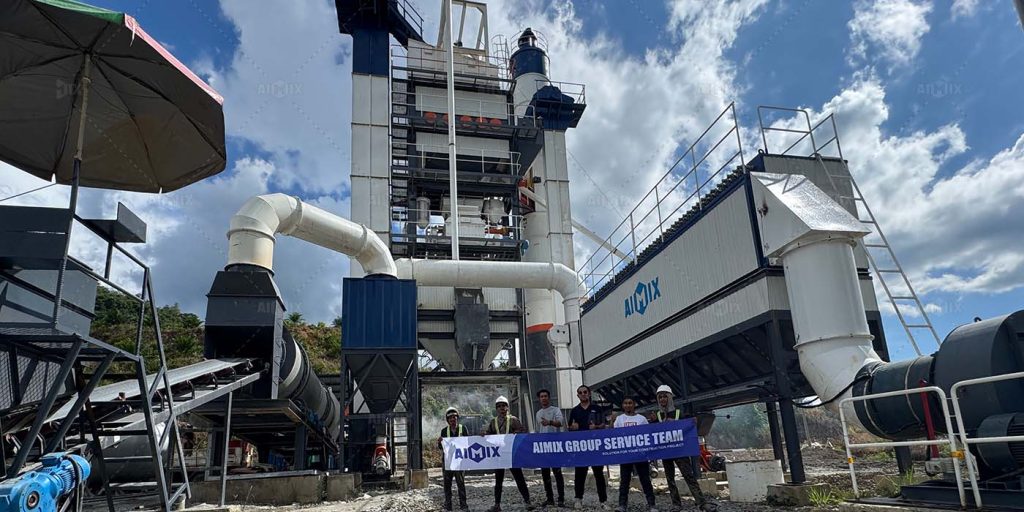
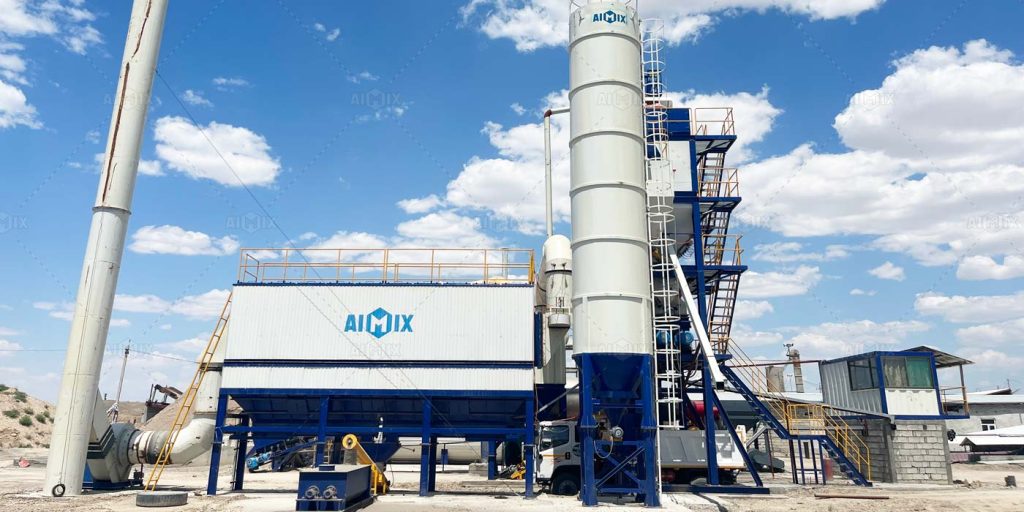
For example, AIMIX currently presents 120 TPH asphalt plant applications in Malaysian locations including Kota Kinabalu, Baling, and Kudat. Its Malaysia-focused solutions include batch, drum, stationary, and mobile configurations.
These local examples show why the same 120 TPH capacity can serve different project needs when the plant type and configuration change.
Final Answer: Can A 120 TPH Asphalt Plant Supply Both Road And Industrial Projects?
Yes. A 120 TPH asphalt plant can supply both road and industrial projects in Malaysia when production capacity, mix requirements, logistics, and plant configuration are properly matched.
Its nominal capacity of 120 tons per hour can provide substantial output for medium and large paving operations. It can support highway sections, urban roads, industrial estates, factory access roads, logistics areas, bridge approaches, and other asphalt applications.
More importantly, the value of the plant comes from how efficiently contractors use it. A plant that serves several projects can achieve better utilization than equipment dedicated to a single short-term contract.
Before purchasing, calculate your realistic daily demand. Then check peak production requirements, aggregate moisture, mix designs, bitumen storage, fuel consumption, truck capacity, project distances, and future contracts. This gives you a much stronger basis for deciding whether 120 TPH is the right investment.
Get A 120 TPH Asphalt Plant Solution For Your Malaysian Projects
If you plan to supply asphalt for both road and industrial projects, do not choose the plant only by its TPH rating. Build the equipment configuration around your actual production demand and project conditions.
A suitable 120 TPH solution can give contractors the capacity to handle high-volume paving while retaining flexibility for different project types. With the right aggregate feeding system, heating system, screening, mixing, bitumen storage, dust collection, and control system, the plant can become a long-term production base rather than a single-project machine.
If you are evaluating an asphalt mixing plant in malaysia, share your expected daily asphalt demand, project locations, mix requirements, aggregate conditions, and operating hours. A project-specific assessment can help determine whether 120 TPH is suitable and whether a stationary or mobile configuration makes better commercial sense.