Buying an asphalt mix plant is a major decision for a road contractor. Outsourcing asphalt may look simpler because it avoids equipment investment, plant operation, maintenance, and fuel management. However, that advantage can disappear when asphalt demand becomes large, projects run for months, or the job site sits far from commercial asphalt suppliers.
The key question is not simply whether an asphalt mixing plant is expensive to buy. The better question is whether the total cost of outsourced asphalt is higher than the long-term cost of producing asphalt yourself.
For contractors with steady asphalt demand, repeated road projects, long transport distances, or strict production schedules, owning an asphalt plant for sale can become more economical. On the other hand, outsourcing may remain the better choice for small, short-term, or unpredictable projects.
This article explains how to make that decision using production volume, asphalt price, utilization, project duration, and operating costs.
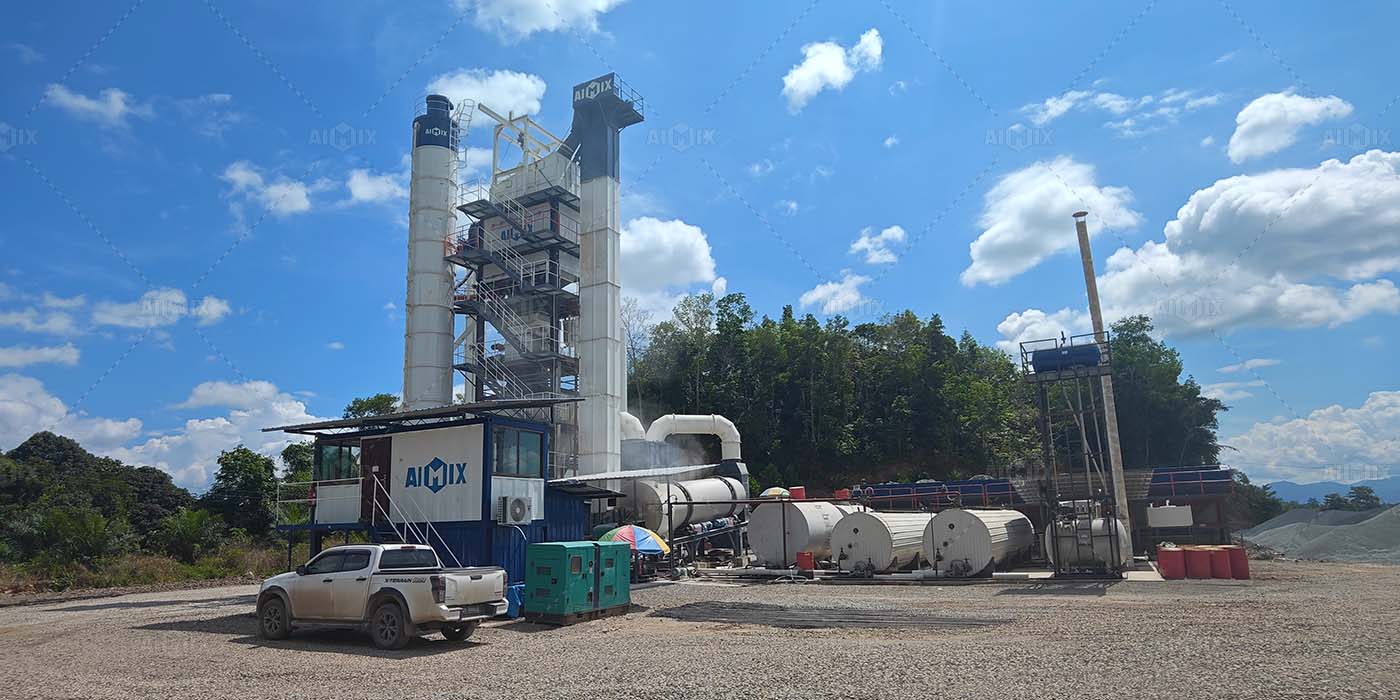
Start With The Total Cost, Not The Plant Purchase Price
The purchase price often attracts the most attention. Yet it is only one part of the investment. A contractor should compare the full cost of both options over the expected project period.
When outsourcing asphalt, the actual cost usually includes more than the supplier’s quoted price per ton. You may also pay for transportation, waiting time, minimum orders, delivery delays, temperature loss, and additional coordination.
By comparison, owning an asphalt plant creates several new costs. These include the plant investment, site preparation, fuel, electricity, labor, maintenance, spare parts, raw materials, and transportation of aggregates and finished asphalt within the project area.
Therefore, the right comparison is:
Total outsourcing cost = purchased asphalt + delivery + waiting and logistics costs
Total self-production cost = plant ownership cost + raw materials + fuel + power + labor + maintenance + internal logistics
Once these costs are placed on the same basis, the economic difference becomes much clearer.
When Does Outsourcing Start To Become Expensive?
Several factors can make purchased asphalt more expensive than it initially appears. More importantly, these factors often become stronger as project volume increases.
1. High Asphalt Demand
Production volume is one of the most important indicators. A contractor using several hundred tons of asphalt may not need its own plant. However, a contractor consuming thousands or tens of thousands of tons should calculate the long-term cost carefully.
For example, assume a contractor needs 50,000 tons of asphalt during a road project. If the delivered asphalt price is $80 per ton, the asphalt purchase alone reaches $4 million.
If the contractor can produce the required mix at a lower total cost per ton, even a relatively large plant investment can become easier to justify.
The break-even point depends on the actual local costs. There is no universal tonnage threshold that works for every contractor. Fuel prices, aggregate costs, asphalt binder prices, labor rates, transport distance, and plant utilization can change the result significantly.
2. Long Hauling Distance
Distance can change the economics quickly.
Asphalt must remain within an appropriate temperature range during transportation and placement. A long trip adds truck costs and increases the risk of delivery problems. Heavy traffic can make the situation worse.
For example, a paving project located 80 or 120 km from the nearest asphalt supplier faces a very different logistics challenge from a project located only 10 km away.
When trucks spend hours traveling instead of delivering material, the contractor may need more trucks to maintain the paving schedule. That raises logistics costs even further.
In remote regions, islands, mountainous areas, or areas with poor road access, this factor can become especially important.
Therefore, a contractor should compare the delivered asphalt price with the cost of producing asphalt closer to the project.
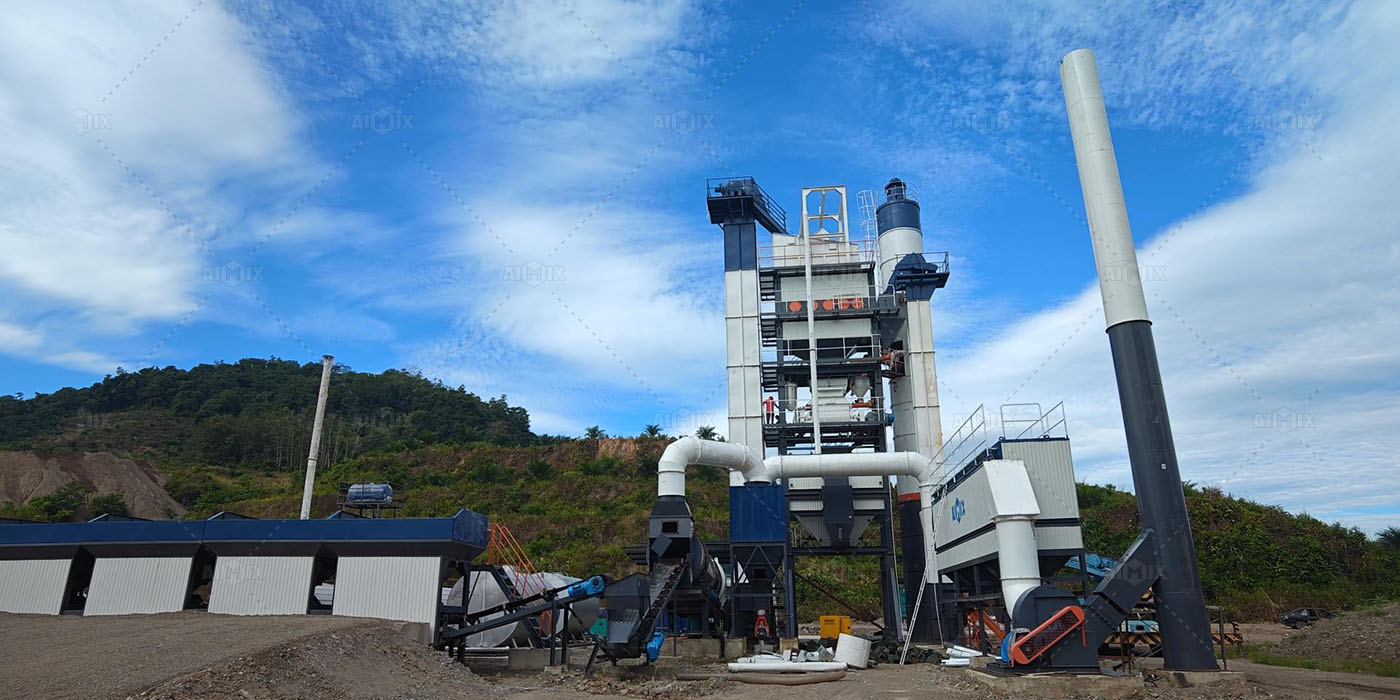
Project Duration Also Changes The Calculation
Distance and volume are important, but project duration determines how effectively the plant investment can be used. A plant running for several months has a very different financial profile from a plant purchased for a two-week project.
For this reason, utilization should be part of the investment calculation rather than an afterthought.
Short-Term Projects
For a small road repair project lasting only a few weeks, outsourcing can make sense. The contractor avoids plant installation and commissioning costs. There is also less operational responsibility.
In this situation, purchasing a plant may leave too much unused capacity after the project finishes.
Long-Term Projects
For a six-month, one-year, or multi-year road program, the situation can be very different.
A contractor can spread the plant investment across a much larger production volume. The equipment may also serve several projects after the first project ends.
Consequently, a plant should not be evaluated only against one contract if the contractor has a reliable pipeline of future work.
Multiple Projects In Different Locations
Repeated projects can make a mobile or portable asphalt plant particularly attractive.
Instead of building a permanent production base for every project, the contractor can move the plant between suitable locations when the work changes. This approach can reduce dependence on local asphalt suppliers and improve control over production scheduling.
However, relocation costs and local regulations still need to be considered. A mobile plant is not automatically cheaper simply because it can move.
Compare The Cost Per Ton
One of the easiest ways to understand the decision is to calculate the actual production cost per ton.
For a contractor-owned plant, the approximate production cost can be divided into several categories:
| Cost Category | What To Include | Why It Matters |
|---|---|---|
| Raw Materials | Aggregate, mineral filler, bitumen, additives | Usually represents the largest variable cost |
| Fuel And Power | Dryer fuel, burner consumption, electricity | Changes with material moisture and plant efficiency |
| Labor | Operators, maintenance staff, site personnel | Depends on automation and operating hours |
| Maintenance | Wear parts, lubrication, repairs, spare parts | Increases with production and material abrasiveness |
| Plant Ownership | Depreciation, financing, installation, relocation | Must be spread across expected production volume |
Suppose a plant produces 60,000 tons during its useful project period. A $300,000 investment contributes approximately $5 per ton to the plant ownership cost before considering financing, installation, and other expenses.
If the plant produces only 10,000 tons, the same investment contributes about $30 per ton.
This simple example shows why utilization matters so much.
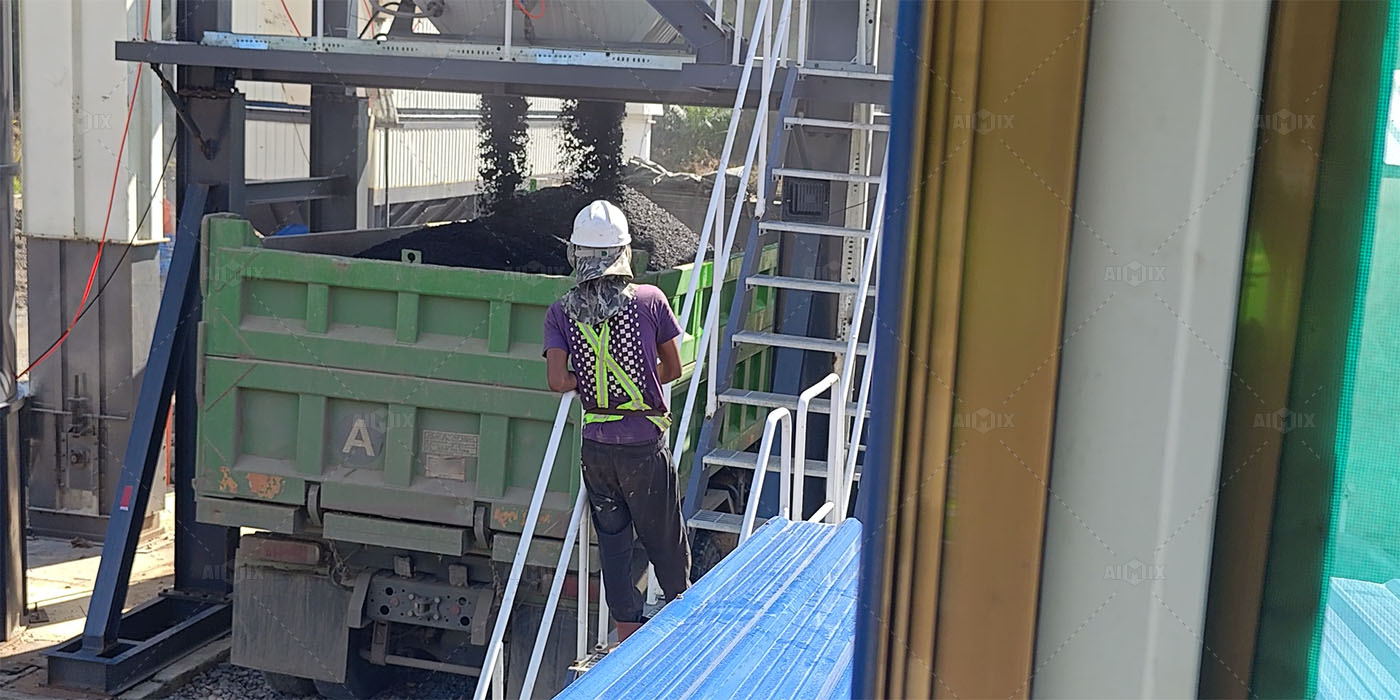
The Break-Even Point Is More Useful Than A Simple Payback Period
Contractors often ask, “How many months will it take to recover the plant investment?” That question is useful, but the break-even volume can provide a clearer answer.
A simplified calculation is:
Break-even production volume = Fixed plant investment ÷ savings per ton
For example, assume a contractor invests $400,000 in an asphalt mixing plant and calculates that self-produced asphalt saves $8 per ton compared with delivered asphalt.
The simplified break-even volume would be:
$400,000 ÷ $8/ton = 50,000 tons
This means the contractor needs to produce roughly 50,000 tons to recover that investment under the simplified assumptions.
In practice, the calculation should also include financing, installation, maintenance, residual value, taxes, transport, downtime, and other local costs. Therefore, this formula should support the decision rather than replace a detailed financial model.
How Transport Costs Can Shift The Decision
Transportation is one of the most underestimated factors in asphalt procurement.
Imagine that a paving project requires 800 tons of asphalt per day. If each truck carries 20 tons, the contractor needs approximately 40 truckloads per day.
Now consider a long round trip between the asphalt supplier and the paving site. Each truck may spend several hours on the road. Traffic, loading queues, road conditions, and unloading delays can reduce the number of trips a truck completes each day.
As a result, the contractor may need additional trucks simply to maintain the paving operation.
This creates a chain reaction:
Longer distance → longer truck cycles → more trucks required → higher logistics cost → greater delivery risk.
When the asphalt plant is located close to the paving operation, the contractor can shorten the material supply chain. This can improve production coordination and reduce dependence on external delivery schedules.
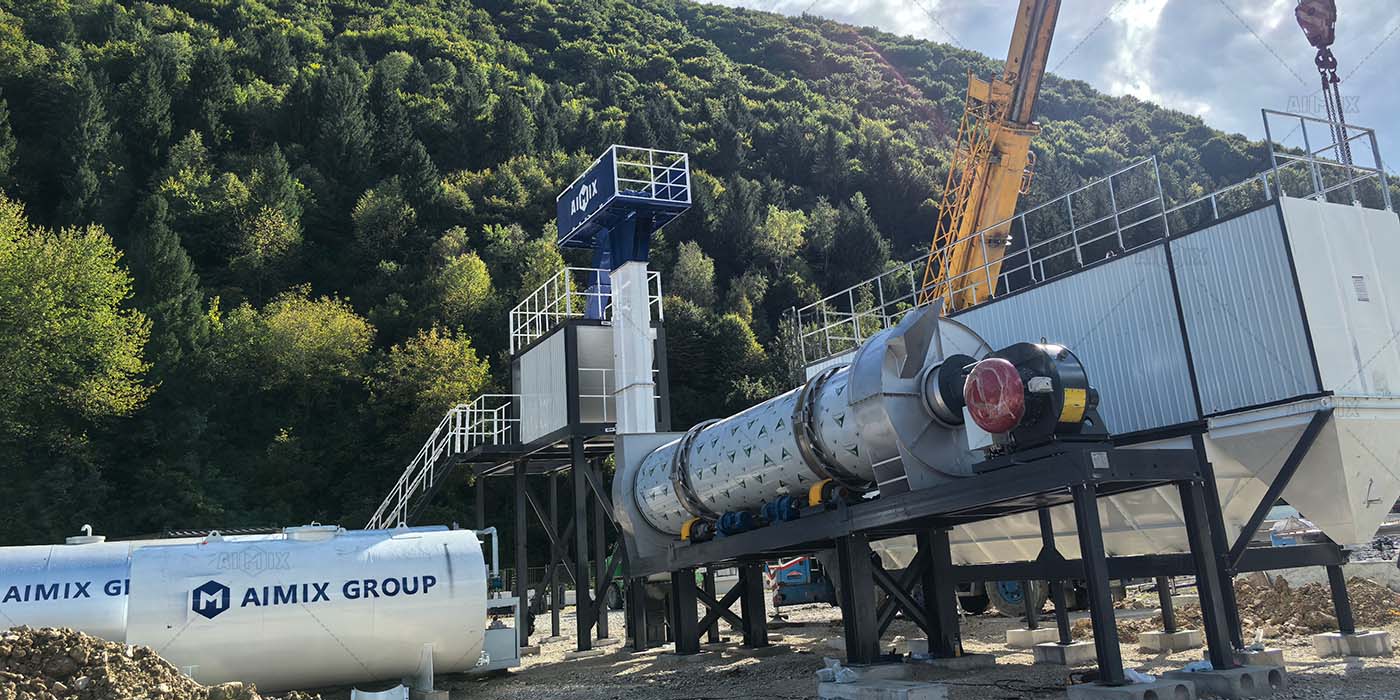
Production Control Can Have Economic Value
The financial benefit of owning a plant does not come only from a lower theoretical production cost.
Production control also has value.
When a contractor depends on an external asphalt supplier, the paving crew must work around the supplier’s production and delivery schedule. A sudden production problem or truck shortage can interrupt paving.
With its own asphalt plant, the contractor has greater control over production timing. The plant can produce according to the project’s paving schedule, aggregate availability, mix requirements, and daily demand.
This becomes especially valuable when paving equipment is expensive to keep idle.
For example, if a paving crew, paver, rollers, and trucks are ready but asphalt deliveries stop for several hours, the contractor may lose productive working time. The direct asphalt price does not capture this hidden cost.
Quality And Mix Flexibility Also Matter
Owning an asphalt plant can provide another advantage when a project requires frequent mix adjustments.
Different road layers may require different aggregate gradations or asphalt mix designs. Contractors may also need to respond to project specifications, local materials, or changing paving conditions.
When the contractor controls production, it can coordinate aggregate feeding, filler addition, bitumen dosing, mixing, and output more directly.
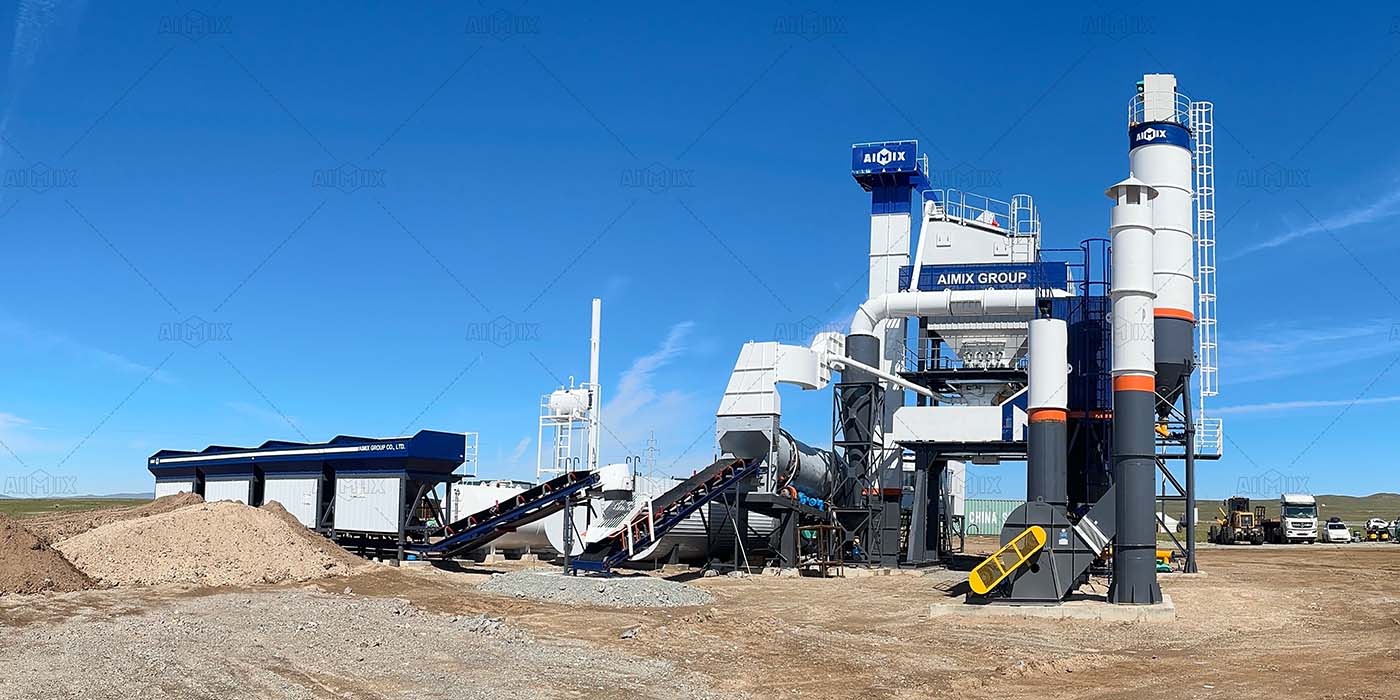
For contractors considering a hot mix asphalt plant, production control can also help align asphalt output with the project’s required mix design and paving schedule.
However, owning the plant also creates responsibility. The contractor must control material quality, calibration, temperature, moisture, mix design, and testing.
Therefore, plant ownership makes the most sense for companies that have the technical team and management system to operate the equipment properly.
When Outsourcing Asphalt Is Still The Better Choice
Owning an asphalt plant is not automatically the most economical option. There are situations where outsourcing remains practical.
First, outsourcing may work well for projects with very small asphalt volumes. The contractor may not produce enough material to spread the fixed investment across a reasonable tonnage.
Second, outsourcing can be suitable when the project duration is very short. Installation, commissioning, and site preparation may consume too much of the available project time.
Third, contractors without a stable project pipeline may prefer to avoid idle equipment. A plant sitting unused for long periods does not generate production savings.
Finally, outsourcing can be attractive when a reliable asphalt supplier is located close to the project and offers consistent quality and delivery capacity.
The right decision therefore depends on project economics rather than equipment ownership alone.
When Owning An Asphalt Mix Plant Usually Makes More Sense
A contractor should give serious consideration to plant ownership when several of the following conditions exist at the same time:
- Annual asphalt demand is high and relatively predictable.
- The project requires tens of thousands of tons of asphalt.
- The nearest reliable asphalt supplier is far from the job site.
- Transportation costs represent a significant part of delivered asphalt cost.
- The project lasts several months or longer.
- The contractor has multiple road projects in the pipeline.
- The paving schedule requires a stable daily asphalt supply.
- The contractor needs greater control over asphalt mix production.
- The company has qualified operators and maintenance support.
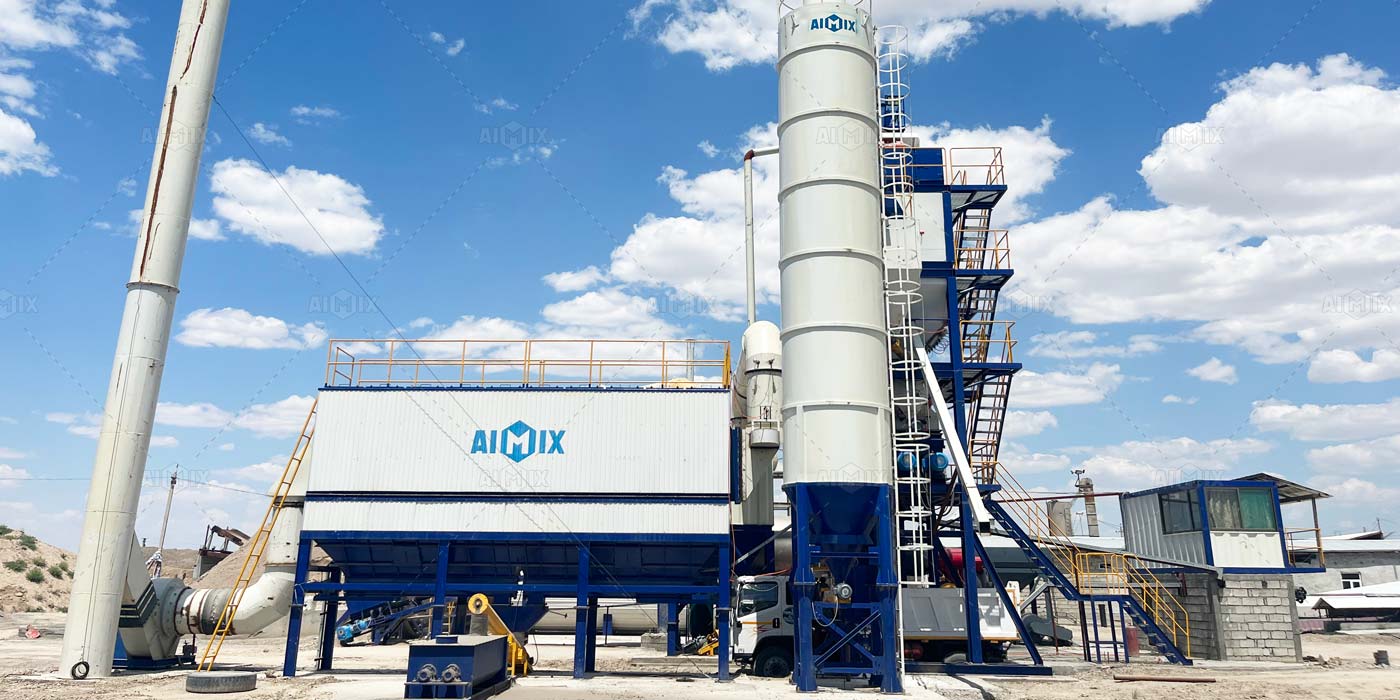
- A mobile or portable plant can serve several project locations.
The more of these conditions apply, the stronger the business case for owning a plant becomes.
A Practical Decision Example
Consider a road contractor that needs 70,000 tons of asphalt for a major project.
The nearest commercial asphalt supplier is far from the project site. The supplier offers a competitive factory price, but the delivered price becomes much higher after transportation.
The contractor then evaluates a plant that can produce enough asphalt to support the paving schedule.
The company calculates its expected costs for aggregate, bitumen, fuel, electricity, operators, maintenance, plant depreciation, and internal transportation. It then compares this number with the delivered cost from the external supplier.
If the self-production cost is $6 per ton lower and the project consumes 70,000 tons, the theoretical production saving reaches:
70,000 × $6 = $420,000
If the plant investment and associated costs fit within the project’s financial plan, ownership may become economically attractive.
More importantly, the plant may continue generating value after the first 70,000 tons if the contractor has additional projects.
What Contractors Should Calculate Before Buying
A serious investment decision should use actual project data rather than a generic online price.
Before selecting an asphalt mixing plant, collect the following information:
| Project Factor | Key Question |
|---|---|
| Asphalt Volume | How many tons are required for the current and next projects? |
| Daily Demand | How many tons per day must the paving operation receive? |
| Supplier Distance | How far is the reliable asphalt supplier from the project? |
| Delivered Price | What is the real cost per ton after transportation? |
| Raw Material Cost | How much do aggregate, bitumen, filler, and additives cost locally? |
| Fuel Cost | What fuel is available and what is its current local price? |
| Utilization | How many tons can the plant realistically produce over its service period? |
| Future Projects | Can the same plant support other road projects? |
These figures provide a much stronger basis for investment than comparing equipment prices alone.
Choosing The Right Plant Capacity Matters
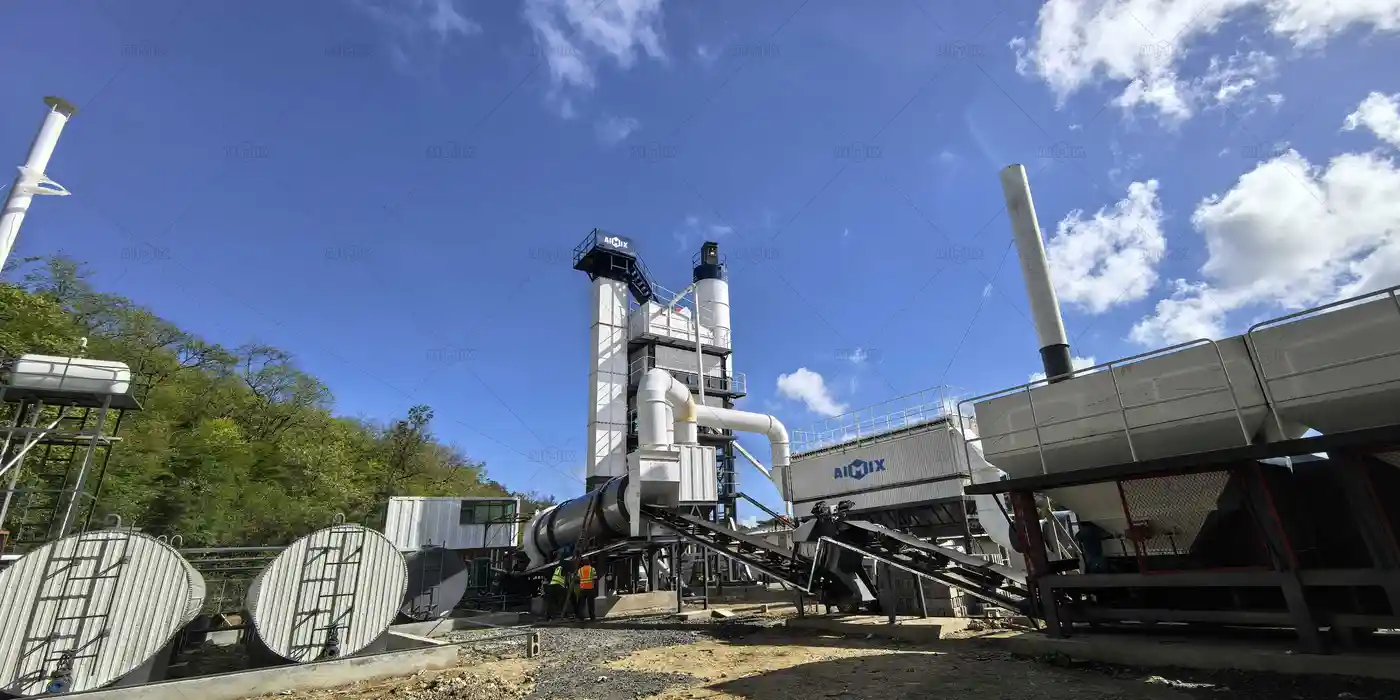
Once ownership becomes economically attractive, the next question is plant capacity.
A contractor should not automatically choose the largest plant available. Oversizing increases capital investment and may leave the plant operating below its efficient utilization level.
Instead, start with actual asphalt demand.
For example, a project requiring 300 to 500 tons per day may need a different production solution from a large highway project requiring more than 1,000 tons per day.
Also consider peak demand rather than only average demand. The plant should provide enough capacity to maintain the paving schedule without creating excessive unused capacity.
For contractors handling multiple projects, the calculation should include the combined production demand and the possibility of moving the plant between sites.
Do Not Ignore Installation, Maintenance, And Support
A plant’s purchase price is only the beginning of ownership.
The contractor should also evaluate installation requirements, commissioning, operator training, spare parts availability, maintenance access, technical support, and local service capability.
Before making a final investment decision, contractors should also review the expected asphalt concrete plant cost together with installation, operation, maintenance, and logistics expenses.
A low initial price can become expensive if spare parts take too long to arrive or if technical problems cause extended downtime.
For this reason, compare suppliers based on the complete ownership cycle. Production reliability and after-sales support can directly affect the financial result.
The Bottom Line: Look At Tons, Distance, Time, And Utilization
There is no single production volume that automatically makes owning an asphalt mix plant more economical than outsourcing.
The decision depends on the relationship between four major factors: how much asphalt you need, how far it must travel, how long you will need it, and how often you can use the plant.
High asphalt demand improves the economics of ownership. Long hauling distances strengthen the case further. Long project durations allow the investment to spread across more production. Multiple future projects can improve utilization and reduce the effective ownership cost per ton.
Conversely, small volumes, short projects, low utilization, and nearby reliable suppliers can make outsourcing more practical.
The best approach is therefore to calculate the actual cost per ton under both scenarios before making the purchase decision.
Make The Decision With Your Actual Project Numbers
If your contractor is currently buying asphalt from an external supplier, start by collecting your delivered asphalt price, monthly tonnage, transport distance, daily paving demand, and expected project duration.
Then compare those numbers with the estimated ownership and operating cost of an asphalt mixing plant. At the same time, reviewing the expected asphalt mix plant price can help you estimate the initial investment required for your production plan.
For contractors with high and stable asphalt demand, especially those working on highways, municipal roads, airport projects, mining roads, or remote infrastructure projects, this calculation can reveal whether producing asphalt in-house can reduce long-term costs and improve project control.
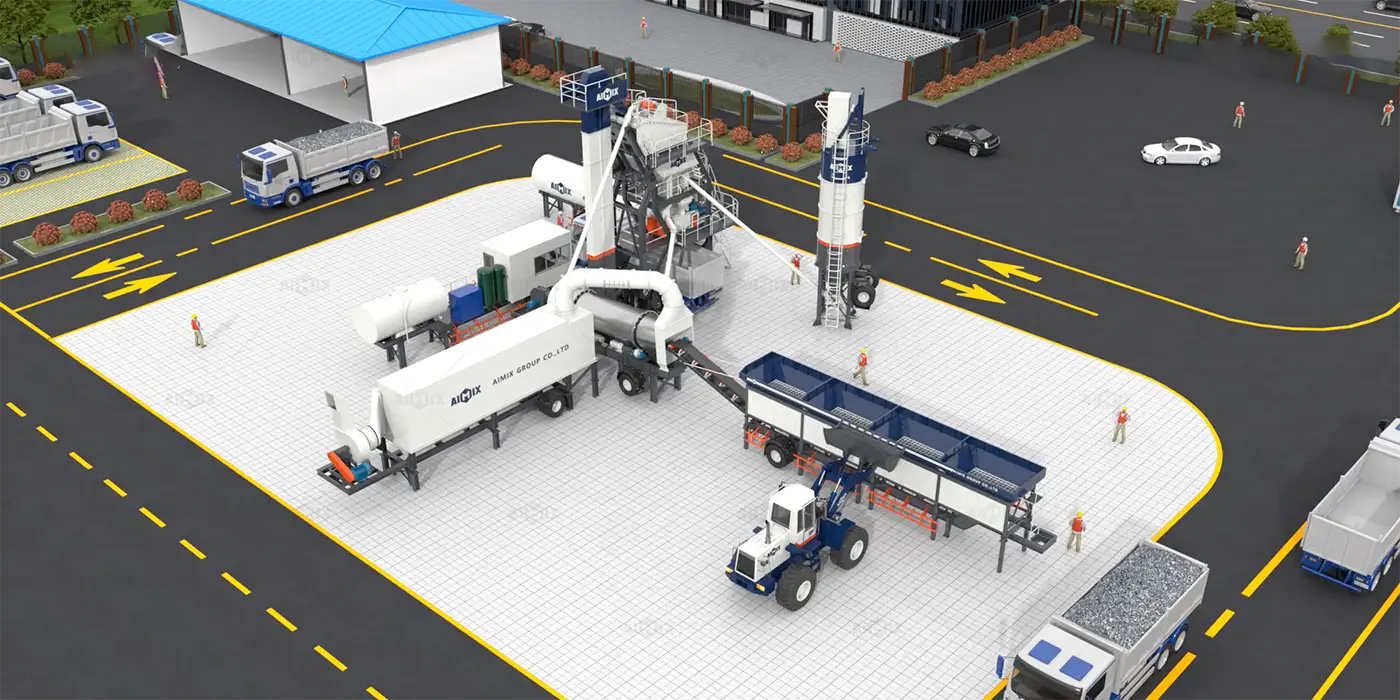
A properly sized asphalt mixing plant should not simply be viewed as another piece of construction equipment. It can become part of the contractor’s long-term asphalt supply strategy.
If you are evaluating whether an asphalt mixing plant makes financial sense for your project, use your actual production volume, hauling distance, asphalt purchase price, and project schedule to build the comparison first. The right plant capacity should follow the economics of your work—not the other way around.