Fuel consumption is one of the most important operating costs for asphalt production projects.
When contractors invest in an asphalt plant, they usually calculate equipment investment, raw materials, labor costs, and transportation expenses. However, after the plant starts working, some companies discover that actual fuel consumption is higher than their original estimation.
This situation affects not only production costs but also the overall profitability of road construction projects. For contractors, highway builders, and asphalt suppliers, every extra liter of fuel increases the cost per ton of asphalt. Therefore, understanding why an asphalt plant consumes excessive fuel is essential for improving efficiency and controlling long-term operating expenses.
In reality, higher fuel consumption is usually caused by several factors working together. These factors may include wet aggregates, incorrect burner adjustment, unsuitable production planning, equipment maintenance issues, or an unsuitable plant configuration. By identifying these problems early, operators can reduce energy waste and achieve more stable asphalt production.
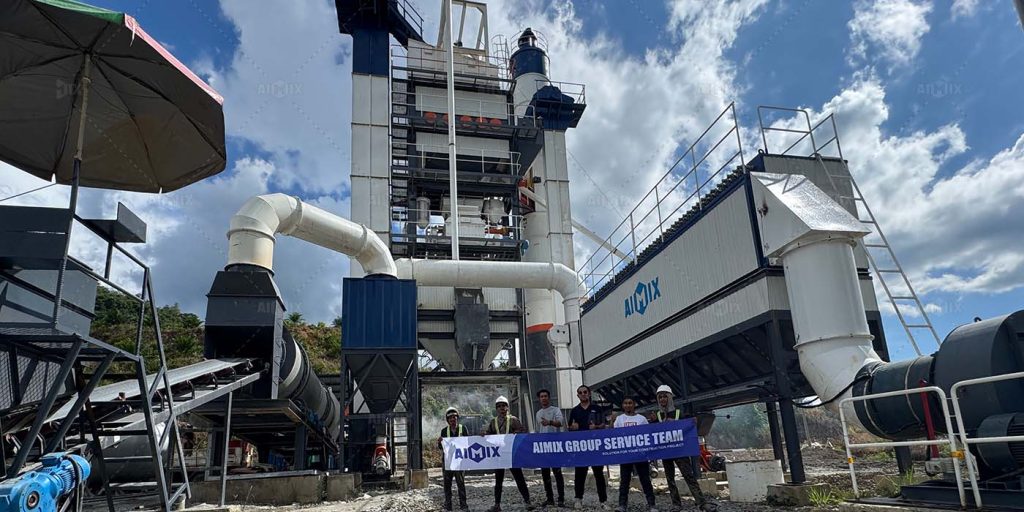
Understanding Where Fuel Is Used In An Asphalt Plant
Before analyzing excessive fuel consumption, it is important to understand the main fuel usage process inside an asphalt plant. During asphalt production, most fuel is consumed by the drying and heating system. The burner generates heat to remove moisture from aggregates and raise their temperature before mixing.
However, fuel consumption is not determined only by production capacity. Two asphalt plants with the same output can have different fuel performance because their operating conditions are different. Aggregate moisture, weather conditions, burner efficiency, fuel quality, and operator experience all influence actual consumption.
For this reason, contractors should evaluate the complete production system instead of focusing only on the rated tons per hour. A well-designed and properly operated system can significantly reduce fuel usage during daily operation.
Choosing a reliable asphalt plant is an important first step because equipment quality directly affects heating efficiency, production stability, and long-term operating costs. A suitable plant design helps contractors achieve better fuel performance throughout the project lifecycle.
| Major Fuel Consumption Factor | Impact On Operation | Improvement Method |
|---|---|---|
| Aggregate Moisture | More water requires more heat energy for evaporation. | Improve storage conditions and reduce moisture before production. |
| Burner Performance | Poor combustion increases fuel waste. | Adjust burner settings and maintain combustion efficiency. |
| Production Scheduling | Frequent stopping increases unnecessary energy consumption. | Maintain continuous and stable production. |
| Equipment Condition | Wear and damage reduce thermal efficiency. | Carry out regular inspection and maintenance. |
High Aggregate Moisture Can Dramatically Increase Fuel Consumption
One of the most common reasons for unexpected fuel consumption is excessive moisture in aggregates. Asphalt plants must dry and heat stone materials before mixing. When aggregates contain more water, the burner needs to provide additional energy to remove that moisture.
For example, aggregates with high moisture content may require significantly more heating time compared with dry materials. During large-scale asphalt production, even a small increase in moisture can create a noticeable increase in daily fuel consumption.
This issue is especially common in tropical regions where rainfall is frequent. In countries such as Indonesia, Malaysia, and the Philippines, outdoor aggregate storage can easily increase material moisture levels. As a result, contractors may experience higher diesel consumption during rainy seasons.
Therefore, improving aggregate management is one of the simplest ways to control fuel costs. Covered storage areas, proper drainage systems, and better material planning can help maintain more stable production conditions.
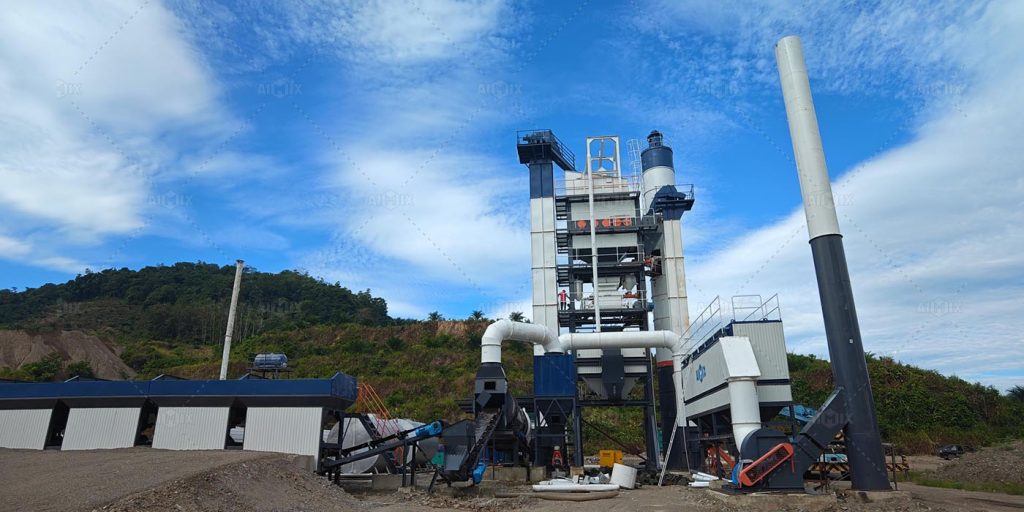
Incorrect Burner Adjustment Reduces Asphalt Plant Energy Efficiency
The burner is the heart of the asphalt plant heating system. Its performance directly determines how efficiently fuel converts into heat energy. If the burner does not operate under the correct air-fuel ratio, the plant may consume more fuel while producing the same amount of asphalt.
Some operators increase burner power when production conditions change. However, simply increasing fuel supply does not always improve performance. Without proper adjustment, extra fuel may leave the system without creating useful heating energy.
Modern asphalt plants usually provide adjustable burner systems. These systems allow operators to optimize combustion according to aggregate conditions, production requirements, and fuel type. Nevertheless, operators need technical knowledge to achieve the best results.
In addition, different fuels require different operating parameters. Diesel, heavy oil, and natural gas have different combustion characteristics. Selecting the correct fuel system and maintaining proper burner settings can greatly improve fuel efficiency.
How Asphalt Plant Type Influences Fuel Consumption
The structure and working principle of an asphalt plant also influence energy performance. Different projects require different production methods, and selecting the wrong equipment type may increase operating costs.
For example, batch asphalt plants provide accurate weighing and mixing control, which makes them suitable for projects requiring strict asphalt quality standards. Continuous drum plants focus on uninterrupted production and can meet projects that need stable output.
Therefore, contractors should carefully compare each asphalt plant type according to project requirements, production targets, material conditions, and local operating environments.
A suitable asphalt mix plant configuration reduces unnecessary energy loss because the equipment works closer to its designed operating range. On the other hand, an oversized or unsuitable plant may consume more fuel due to inefficient utilization.
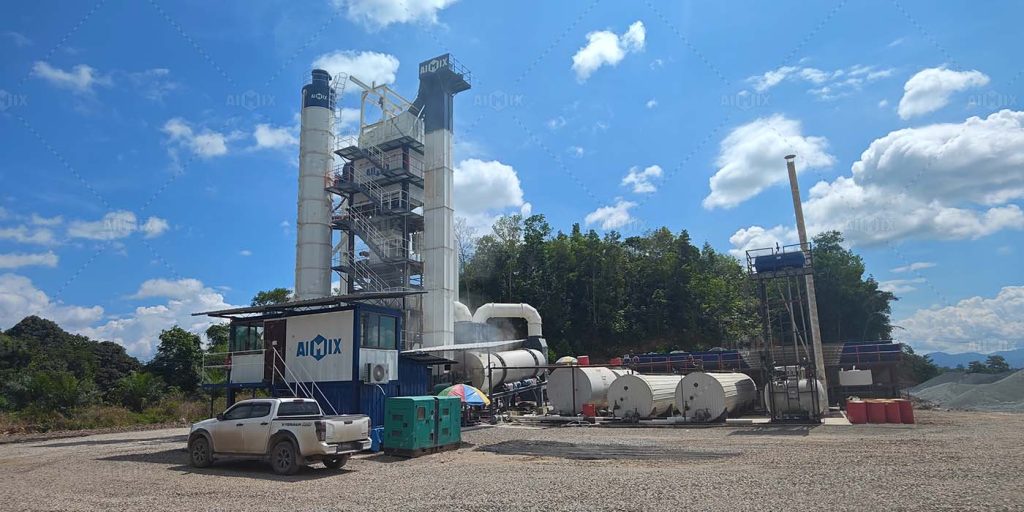
Poor Production Planning Creates Hidden Fuel Waste
Fuel efficiency is not only related to equipment technology. Production management also plays an important role. Many contractors lose fuel because the asphalt plant operation is not properly coordinated with transportation and construction schedules.
For example, frequent production interruptions require the heating system to restart repeatedly. Each restart consumes additional fuel because the dryer and other components need time to return to normal operating temperature.
Therefore, contractors should organize aggregate supply, asphalt truck scheduling, and paving requirements before production begins. Stable production usually creates better fuel efficiency than irregular operation.
Moreover, selecting a production capacity that matches the actual project demand is critical. A small asphalt plant operating continuously at maximum load may experience higher fuel consumption per ton compared with a properly selected solution.
Equipment Maintenance Problems Can Increase Asphalt Plant Fuel Consumption
Even a high-performance asphalt plant can consume more fuel than expected when maintenance is ignored. During long-term operation, dust accumulation, component wear, and mechanical problems can gradually reduce heating efficiency.
For example, a damaged sealing system may allow heat to escape from the drying drum. A blocked dust collection system can affect airflow and combustion performance. A worn burner nozzle may create an unstable flame, which reduces fuel utilization.
These problems usually do not appear suddenly. Instead, they develop slowly and increase operating costs over time. Therefore, regular inspection is essential for keeping the asphalt plant working efficiently.
Contractors should regularly check important components, including burners, drying drums, temperature sensors, filters, electrical systems, and control units. In addition, recording fuel consumption data helps operators identify abnormal changes before they become expensive problems.

How To Reduce Asphalt Plant Fuel Consumption In Daily Operation
Reducing fuel consumption does not always require purchasing new equipment. In many cases, improving daily operation and management can create significant savings. Contractors can apply several practical methods to improve energy efficiency.
Improve Aggregate Storage And Material Management
Keeping aggregates dry is one of the most effective ways to reduce fuel usage. Contractors should avoid storing materials directly on wet ground and should consider covered storage areas when local weather conditions create high moisture risks.
Furthermore, separating different aggregate sizes and organizing material supply properly can reduce production delays. Better material management allows the asphalt plant to operate under more stable conditions.
Train Operators To Optimize Plant Performance
Operator experience has a direct impact on fuel consumption. Skilled operators understand how to adjust burner settings, control production temperature, and respond to changing material conditions.
Without proper training, operators may use excessive fuel because of incorrect temperature settings or unnecessary production adjustments. Therefore, technical training should be considered an important part of asphalt plant management.
Monitor Fuel Consumption Per Ton Of Asphalt
Tracking fuel consumption is an effective way to evaluate plant performance. Instead of only checking total diesel usage, contractors should calculate fuel consumption per ton of finished asphalt.
This method helps identify whether the plant operates normally. If fuel consumption increases suddenly while production remains unchanged, operators can investigate possible causes such as moisture problems, burner issues, or maintenance requirements.
Choose Equipment From Experienced Asphalt Plant Suppliers
Equipment selection has a long-term influence on fuel efficiency. A professional manufacturer can help contractors choose suitable capacity, heating systems, and configurations according to actual project conditions.
Working with experienced asphalt plant suppliers allows customers to receive technical guidance before investment. This includes production analysis, equipment selection, installation support, and operation suggestions.
A properly designed asphalt production system reduces unnecessary fuel waste and helps contractors achieve more predictable operating costs throughout the project.
Why Fuel Efficiency Is Important For Asphalt Construction Businesses
For road construction companies, fuel efficiency directly affects project profitability. Asphalt production involves continuous operation, and even small efficiency improvements can create considerable savings over months or years.
For example, a plant producing several hundred tons of asphalt every day may consume thousands of liters of fuel each month. If the system wastes fuel because of poor operation or incorrect settings, the additional cost can significantly reduce project margins.
Therefore, contractors should view fuel efficiency as a strategic advantage rather than only a cost-saving method. A fuel-efficient asphalt plant helps companies provide more competitive project quotations while maintaining stable profit levels.
In addition, efficient fuel usage supports sustainable construction practices. Lower fuel consumption means lower emissions and better environmental performance. This advantage is becoming increasingly important as governments and contractors focus more on green infrastructure development.
Common Questions About Asphalt Plant Fuel Consumption
Does A Larger Asphalt Plant Always Consume More Fuel?
Not necessarily. A larger asphalt plant has a higher production capacity, but fuel consumption depends on efficiency rather than only size. A well-designed high-capacity plant may consume less fuel per ton than a smaller plant operating under poor conditions.
Can Weather Conditions Affect Asphalt Plant Fuel Usage?
Yes. Weather conditions can influence fuel consumption, especially temperature, rainfall, and humidity. Wet aggregates require more heating energy, while cold environments may increase warm-up time.
How Can Contractors Know If Their Fuel Consumption Is Too High?
The best method is comparing fuel consumption per ton of asphalt output. Contractors should establish normal operating data and investigate significant increases in consumption.
Can A New Asphalt Plant Help Reduce Fuel Costs?
A new asphalt plant with modern heating technology, efficient burners, and intelligent control systems can improve fuel performance. However, proper operation and maintenance remain equally important.
Conclusion: Control Fuel Consumption To Improve Asphalt Project Profitability
An asphalt plant consuming more fuel than expected is usually the result of multiple factors rather than a single problem. High aggregate moisture, inefficient burner operation, poor production planning, equipment maintenance issues, and unsuitable equipment selection can all increase operating costs.
The solution is not simply using more fuel to maintain production. Instead, contractors should focus on improving the complete asphalt production process. Better material management, trained operators, regular maintenance, and suitable equipment selection can significantly reduce unnecessary fuel consumption.
For companies investing in asphalt production, fuel efficiency should be considered from the beginning of the project. The right asphalt plant solution can help reduce operating expenses, improve production stability, and create stronger long-term business value.
If you are planning a new asphalt production project or want to improve the efficiency of your current operation, contact technical experts for professional advice. A suitable asphalt solution based on your project conditions can help you achieve reliable production with better fuel performance.