The aggregate market—the production of crushed stone, sand, and gravel—is often perceived as the exclusive domain of multinational corporations with deep pockets and sprawling quarries. This perception, while prevalent, is demonstrably inaccurate. The reality is that the aggregate sector is fundamentally a regional business. The high cost of hauling heavy materials over long distances creates a natural “moat” around local markets, providing a fertile ground for small, agile companies to establish a profitable presence. The barrier to entry is not insurmountable; it simply requires a strategic approach to crushing equipment selection, operational planning, and market positioning. This article provides a pragmatic roadmap for the small entrepreneur looking to enter the aggregate market, focusing on the critical decisions that separate successful entrants from those who struggle.
1. Defining the Market Opportunity and Scale
Before purchasing a single piece of machinery, a potential entrant must conduct a sober assessment of the local market. This is the foundational step upon which all subsequent investment decisions rest.
Local Demand and Infrastructure Gaps
The aggregate market is driven by infrastructure, residential construction, and commercial development. The first task is to identify the specific gaps in the local supply chain. Are there major road projects or housing developments occurring within a 30-kilometer radius that lack a reliable local supplier? Is the local competition dominated by large players who charge a premium for delivery? A small operation can effectively compete by exploiting these service gaps. The focus should be on a specific market segment, such as providing high-quality gravel for a new housing estate or supplying sub-base for a rural road project.
Projecting Realistic Throughput
Many newcomers are seduced by the allure of massive throughput figures, believing that higher capacity equates to higher profitability. This is a common fallacy. A small company cannot compete with a large quarry on volume. The competitive advantage lies in agility, service, and competitive pricing for smaller orders. A realistic operational plan might involve a stone crusher plant designed to produce 50 to 150 tons per hour. This output is sufficient to supply a single medium-sized project or a steady stream of small-scale local customers, generating a consistent, positive cash flow without requiring an overwhelming capital expenditure.
2. Strategic Equipment Selection and Configuration
The choice of equipment is the most critical strategic decision. It must align with the projected throughput, the type of material being processed, and the operational budget.
Mobile vs. Stationary: The Agility Factor
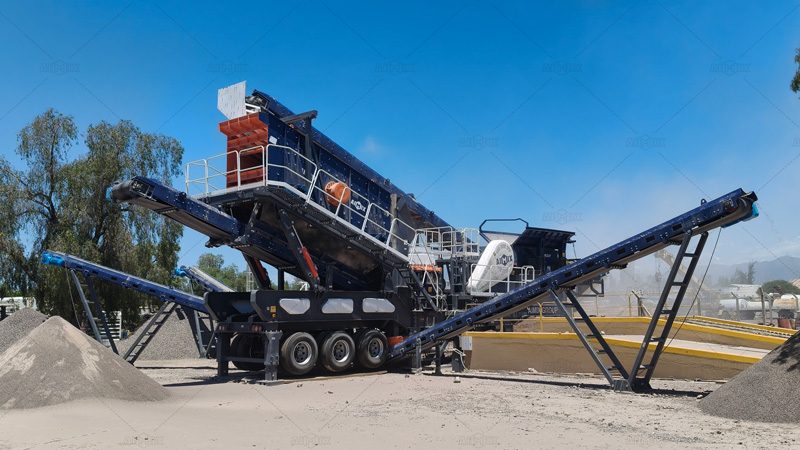
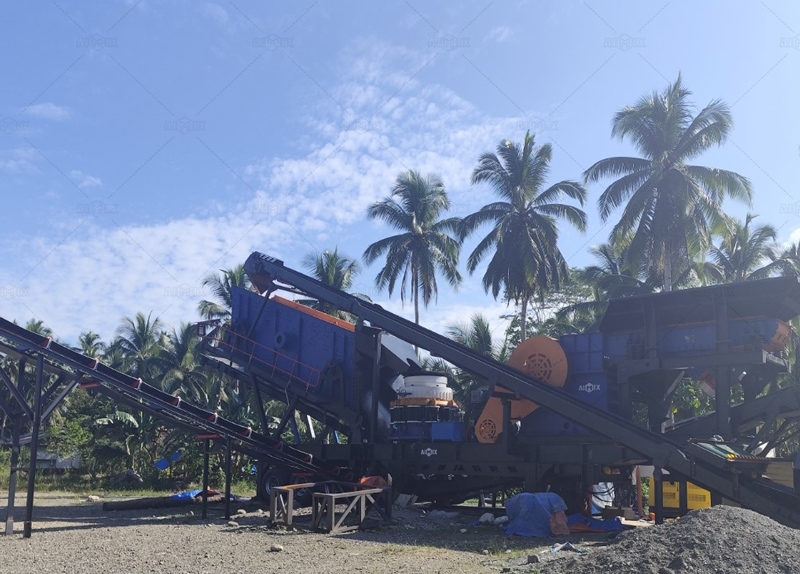
The first major decision is between a mobile crushing plant and a stationary setup. A stationary plant offers a lower cost per ton for high-volume, long-term operations. However, it requires extensive civil works, foundations, and is permanently fixed to a single location. For a small company entering the market, a mobile plant is almost always the superior choice. The mobile plant can be transported to the specific project site, reducing the haulage costs for the customer. Once the project is complete, the plant can be relocated to the next contract. This agility reduces the logistical burden and allows the company to “follow the work.”
Choosing the Crusher Technology
The choice of crusher type—jaw, impact, or cone—depends entirely on the material to be processed. For a small company targeting the general construction market, a jaw crusher combined with an impact crusher is a common and effective configuration. The jaw crusher performs the primary reduction, while the impact crusher shapes the material into a cubical product suitable for concrete and asphalt. If the feed material is hard and abrasive, such as granite, a jaw and cone combination is preferable. The key is to select a plant that matches the specific material and the required product gradation.
Scalability and Modular Design
A prudent investment strategy involves selecting equipment that offers a degree of scalability. The market may start small, but it will ideally grow. Selecting a crusher that allows for the addition of a secondary screen or a closed-circuit conveyor later offers a cost-effective path to expand capacity without replacing the entire plant. This “modular thinking” protects the initial capital outlay and allows the operation to expand organically as demand increases.
Once the equipment is in place, the focus shifts to the daily economics of the operation. Profitability in the aggregate business is a function of controlling operational costs.
Total Cost of Ownership (TCO) Analysis
Many small operators make the mistake of prioritizing the purchase price of the equipment. The initial acquisition cost is only one component of the Total Cost of Ownership. A more expensive, high-quality crusher with a robust engine and a well-engineered chassis will typically have lower fuel consumption, require fewer repairs, and have a higher resale value. The operator must calculate the cost per ton produced, factoring in fuel, maintenance, lubricants, and wear part consumption. This analysis is the only reliable method for determining the true profitability of the operation.
The Economics of Wear Parts and Maintenance
Wear parts—jaw plates, blow bars, cone liners—are a recurring operational expense. A small operator must manage this cost rigorously. Using substandard “aftermarket” wear parts to save money often backfires, as they frequently have shorter lifespans and can damage the aggregate crusher‘s frame. The prudent approach involves establishing a maintenance schedule that includes frequent inspections of the crusher’s internal components. Proactively changing liners just before they reach the “burn-through” stage is always cheaper than repairing a damaged main shaft or frame.
Labor and Operating Hours
Labor costs represent a significant portion of the operational expenditure. A well-designed plant should not require a large crew. One skilled operator managing the excavator feeding the hopper, and one supervisor overseeing the plant, is often sufficient. The plant should be operated efficiently during the available daylight hours, with a focus on maximizing the hours of productive operation rather than extending the workday with costly overtime. The ability to run the plant for extended periods with minimal supervision is the hallmark of an efficient operation.