Marine travel lifts are essential equipment in modern shipyards, marinas, and boat maintenance facilities. They are designed to lift, transport, launch, and retrieve vessels safely and efficiently. While the structural components of a marine travel lift are engineered to withstand demanding workloads, the electronic systems that control lifting, steering, safety monitoring, and automation are often the most vulnerable elements when operating in tropical environments.
Shipyards located in Southeast Asia, Central America, South America, the Caribbean, the Middle East, and coastal regions of Africa frequently experience temperatures above 35°C (95°F), relative humidity levels exceeding 80%, and constant exposure to salt-laden air. These environmental conditions create a challenging operating environment for electrical and electronic components.
Without proper protection, high humidity and heat can accelerate corrosion, damage sensitive electronics, cause unexpected downtime, and increase maintenance costs. Fortunately, modern engineering solutions can significantly improve the reliability and longevity of marine travel lift electronics in tropical shipyards.
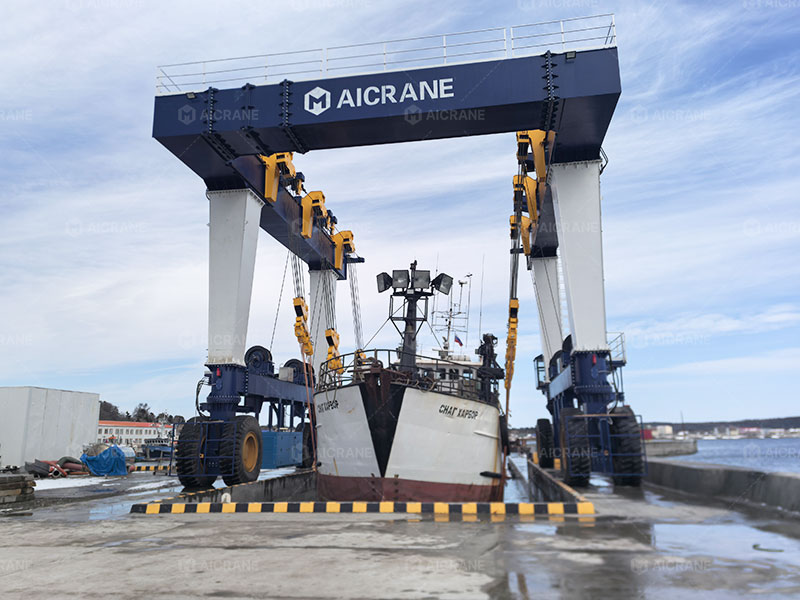
Understanding the Environmental Challenges
Tropical shipyards present a unique combination of environmental stress factors that can negatively affect electronic systems.
High Temperature
Electronic components generate heat during operation. In tropical regions, high ambient temperatures reduce the ability of components to dissipate this heat effectively. As temperatures rise, the performance and lifespan of critical equipment such as programmable logic controllers (PLCs), variable frequency drives (VFDs), sensors, and communication modules can decline significantly.
Excessive heat may lead to:
- Premature aging of electronic components
- Reduced insulation performance
- Increased risk of control system failures
- Unexpected shutdowns of critical lifting functions
High Humidity and Condensation
Humidity is often an even greater threat than heat. Moisture can enter electrical enclosures through cable entries, damaged seals, or pressure changes caused by daily temperature fluctuations.
Condensation occurs when warm, humid air contacts cooler surfaces inside electrical cabinets. Water droplets can form directly on circuit boards, terminals, and connectors, creating pathways for short circuits and corrosion.
Salt-Laden Air
Coastal shipyards are continuously exposed to airborne salt particles. Salt acts as an electrolyte, accelerating corrosion on metal surfaces and electrical contacts. Over time, corrosion can degrade wiring, connectors, terminals, and electronic assemblies.
The combination of heat, humidity, and salt exposure creates one of the harshest operating environments for marine travel lift electronics.
Critical Electronic Systems at Risk
Several key electronic systems require special protection in tropical shipyards.
Load Monitoring Systems
Marine travel lifts rely on load cells and weight monitoring systems to ensure safe lifting operations. Moisture intrusion can alter sensor readings and compromise weighing accuracy.
Inaccurate load measurements may trigger false alarms, reduce lifting precision, or create potential safety concerns when handling valuable vessels.
PLC Control Systems
The PLC serves as the central control unit of the boat hoist. It processes information from sensors and manages lifting, steering, and safety functions.
Heat buildup or moisture contamination inside PLC enclosures can cause communication errors, system faults, and operational interruptions.
Variable Frequency Drives (VFDs)
VFDs regulate motor speed and improve energy efficiency. However, these devices generate substantial heat and are highly sensitive to environmental contamination.
Salt deposits and condensation inside VFD cabinets can lead to electrical failures and expensive repairs.
Steering and Positioning Systems
Modern marine travel lifts often feature electronic steering controls and positioning sensors that enable precise maneuvering within crowded shipyards.
Exposure to moisture can affect encoder performance, steering feedback accuracy, and overall machine responsiveness.
Remote Control Systems
Wireless remote controls improve operator visibility and safety during lifting operations. Receiver units and communication modules must be adequately protected against tropical weather conditions to maintain reliable communication.
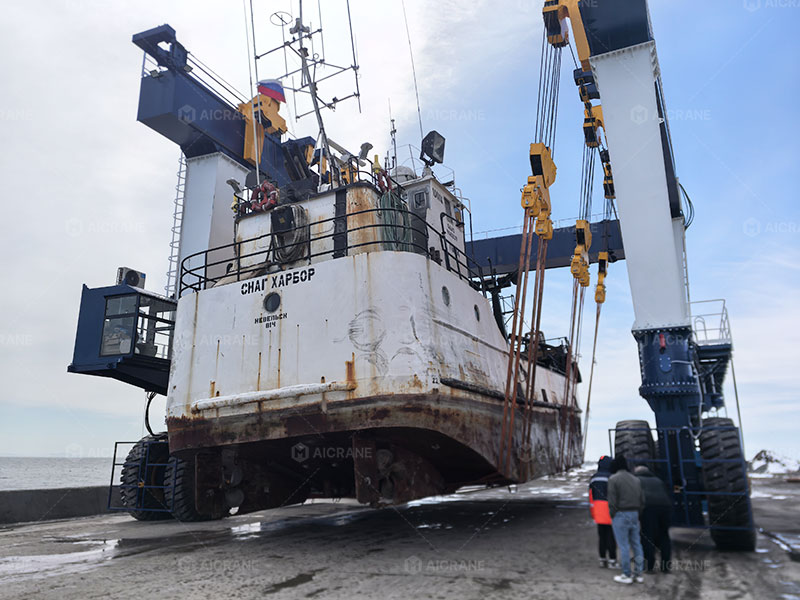
Advanced Electrical Enclosure Solutions
The first and most important line of defense is the electrical enclosure.
IP66 and NEMA 4X Rated Cabinets
For tropical applications, critical electronic components should be installed inside sealed enclosures rated at least IP66 or NEMA 4X.
These enclosures provide protection against:
- Dust intrusion
- Heavy rain
- Salt spray
- Water jets
- Corrosive environments
Marine-grade stainless steel or fiberglass enclosures are often preferred due to their excellent corrosion resistance.
Proper Sealing Techniques
Even the best enclosure can fail if cable entries and access points are not properly sealed.
Shipyards should ensure:
- High-quality cable glands are used
- Door seals remain intact
- Inspection covers are properly tightened
- Unused openings are securely plugged
Routine inspections help maintain enclosure integrity over the equipment’s service life.
Thermal Management Strategies
Managing internal cabinet temperature is essential for protecting sensitive electronics.
Closed-Loop Air Conditioning Systems
Many large 100 to 1200 ton travel lifts utilize closed-loop cabinet air conditioners.
Unlike traditional ventilation systems, closed-loop cooling prevents outside humid air from entering the enclosure while maintaining optimal operating temperatures.
Benefits include:
- Reduced humidity exposure
- Improved component lifespan
- Stable operating conditions
- Better control system reliability
Thermoelectric Cooling Units
For smaller control cabinets, thermoelectric cooling systems offer an effective solution.
These systems operate without compressors or refrigerants and require minimal maintenance while providing reliable temperature control.
Heat-Resistant Components
Manufacturers can further improve reliability by selecting components specifically designed for high-temperature environments.
Examples include:
- Tropical-rated PLCs
- High-temperature sensors
- Marine-grade communication modules
- Industrial electronics with extended operating temperature ranges
Preventing Condensation Damage
Condensation is one of the most common causes of electrical failures in tropical shipyards.
Anti-Condensation Heaters
Small cabinet heaters help maintain internal temperatures above the dew point, preventing moisture from forming inside electrical enclosures.
These heaters are particularly useful during nighttime cooling cycles when condensation risk is highest.
Hygrostats and Humidity Monitoring
Electronic hygrostats continuously monitor humidity levels within control cabinets.
When humidity exceeds preset limits, heaters or dehumidification systems automatically activate to maintain safe conditions.
Pressure Compensation Devices
Temperature fluctuations can create pressure differences between the inside and outside of sealed cabinets.
Pressure-compensating vents allow air pressure equalization while preventing moisture and contaminants from entering the enclosure.
Protecting Cables and Connectors
Electrical cables and connectors are common failure points in tropical environments.
Marine-Grade Connectors
Exterior connections should use waterproof connectors rated IP68 or higher.
These connectors provide excellent protection against:
- Water ingress
- Salt contamination
- Corrosion
- Mechanical wear
Corrosion Protection
Applying dielectric grease to electrical contacts helps prevent oxidation and moisture intrusion.
Regular maintenance should include inspection and reapplication of protective compounds where necessary.
UV-Resistant Cable Materials
Standard PVC cable jackets often deteriorate rapidly under intense tropical sunlight.
Marine travel lifts operating in tropical shipyards should utilize cables with polyurethane (PUR) or neoprene jackets that offer:
- UV resistance
- Abrasion resistance
- Oil resistance
- Long-term flexibility
Manufacturer Solutions for Tropical Applications
Leading shipyard crane manufacturers increasingly offer tropicalized equipment packages specifically designed for challenging coastal environments.
These packages may include:
- IP66 electrical cabinets
- Marine-grade stainless steel hardware
- Anti-condensation heating systems
- Closed-loop cooling systems
- Tropical-rated VFDs and PLCs
- Corrosion-resistant cable assemblies
- Enhanced sealing systems
When purchasing a new marine travel lift, shipyard operators should discuss environmental conditions with the manufacturer to ensure the equipment is properly configured for local operating conditions.
Maintenance Best Practices for Tropical Shipyards
Even the most advanced protection systems require regular maintenance.
A proactive maintenance program should include:
Weekly Inspections
- Check cabinet cooling systems
- Verify air conditioner operation
- Inspect visible cable connections
Monthly Inspections
- Test anti-condensation heaters
- Check humidity monitoring devices
- Inspect enclosure seals and gaskets
Quarterly Inspections
- Reapply dielectric grease where required
- Inspect cable jackets for UV damage
- Examine external connectors for corrosion
Annual Inspections
- Perform insulation resistance testing
- Evaluate load cell accuracy
- Inspect all control cabinets internally
- Replace aging seals and protective components
Conclusion
Operating a marine travel lift in tropical shipyards requires more than a strong structural design. High temperatures, extreme humidity, condensation, and salt exposure can significantly impact the reliability of electronic control systems if appropriate protective measures are not implemented.
By combining sealed electrical enclosures, advanced cooling solutions, anti-condensation technologies, corrosion-resistant components, and proactive maintenance practices, shipyards can dramatically reduce electronic failures and extend equipment service life.
For shipyard operators in tropical coastal regions, investing in properly protected marine travel lift electronics is not simply a maintenance consideration—it is a critical strategy for maximizing equipment availability, improving operational safety, and protecting long-term profitability.