Producing fine powder is not simply a matter of grinding raw materials until they reach a smaller size. Industrial applications often require consistent particle size distribution (PSD) to ensure product quality, processing stability, and downstream performance. Whether processing limestone, quartz, gypsum, or other minerals, selecting suitable grinding mills and controlling operating conditions are essential. A well-designed grinding system must coordinate raw material preparation, grinding, classification, and powder collection to achieve the required fineness while maintaining stable production capacity.
1. Why Particle Size Distribution Matters in Fine Powder Production
Particle size distribution describes the proportion of particles within different size ranges in a finished powder. Two products may have the same average particle size but different distributions, which can affect their performance in industrial applications.
For example, a powder containing excessive coarse particles may fail to meet product specifications, while an unnecessarily high proportion of ultrafine particles can increase energy consumption and affect material handling. Consistent PSD helps manufacturers maintain predictable product characteristics and reduce quality variations between production batches.
Several factors determine the required particle size distribution:
- End-use requirements: Cement, coatings, ceramics, and mineral fillers require different particle size characteristics.
- Material properties: Hardness, abrasiveness, moisture content, and mineral composition influence grinding behavior.
- Production specifications: Target fineness, particle size range, and acceptable coarse particle content determine grinding and classification requirements.
- Downstream processing: Powder reactivity, mixing performance, surface area, and flowability may depend on particle size distribution.
2. Select the Right Grinding Mill for the Raw Material
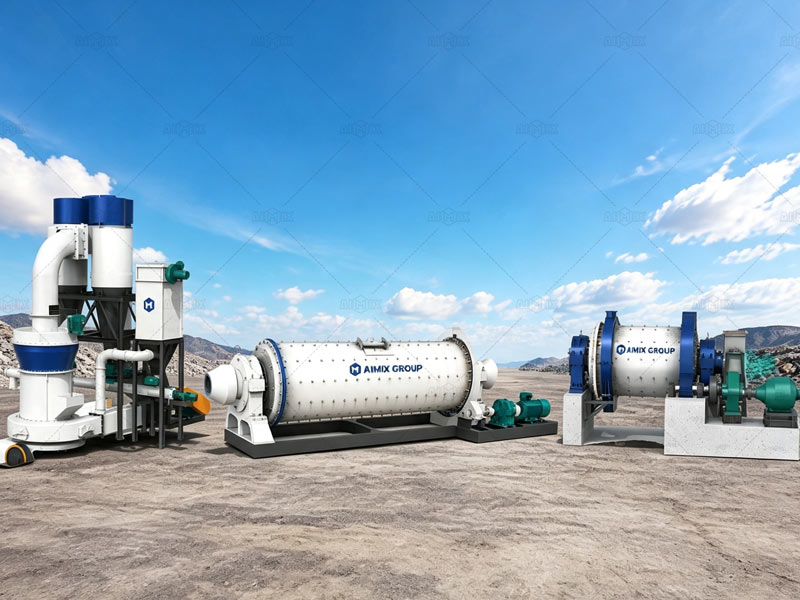
Different grinding technologies are suitable for different materials and powder specifications. Choosing equipment based on raw material characteristics and target fineness helps establish a stable production process.
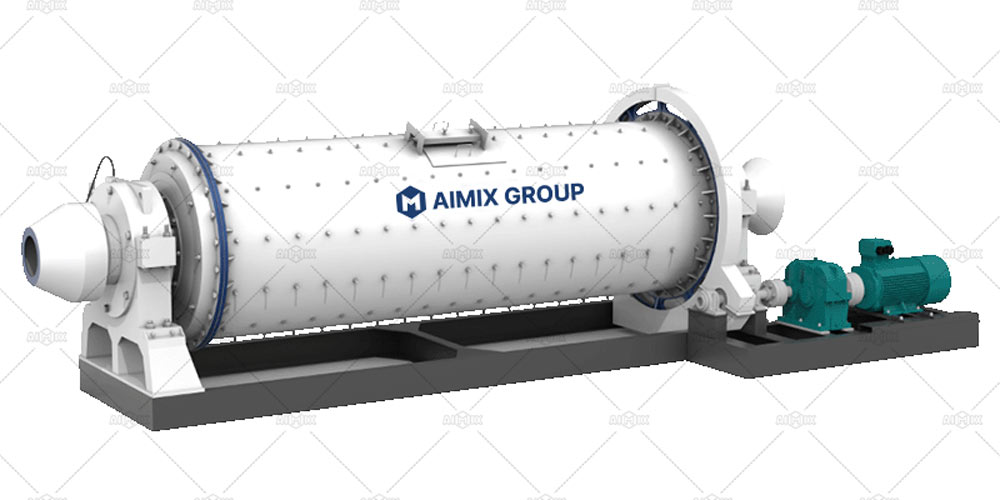
Ball Mill Machine for Mineral Grinding
A ball mill machine uses rotating cylinders containing grinding media to reduce material size through impact and friction. It is widely applied in mineral processing, cement production, and other industrial grinding operations.
Ball mills can process various mineral materials and support wet or dry grinding configurations. Their grinding performance depends on factors such as grinding media size, rotation speed, filling ratio, feed particle size, and grinding time.
For applications requiring relatively fine products and continuous mineral processing, a ball mill can be integrated with classification equipment to control the final particle size distribution.
Raymond Mills for Fine Powder Production
Raymond mills are commonly used for producing fine powders from limestone, gypsum, dolomite, and other suitable non-metallic minerals. Their grinding and air-classification systems allow operators to adjust product fineness according to processing requirements.
They are particularly suitable for applications requiring continuous dry grinding and controlled powder collection. However, the actual fineness and output depend on material characteristics, equipment configuration, and operating parameters.
Ultrafine Grinding Mills for Smaller Particles
When conventional grinding equipment cannot achieve the required fineness economically, specialized ultrafine grinding mills may be considered. These systems are designed to produce finer powders and often incorporate high-efficiency classification technology.
Equipment selection should consider the required particle size distribution rather than relying solely on the maximum mesh specification advertised by a manufacturer.
3. Prepare Raw Materials Before Grinding
Consistent grinding performance begins with stable feed conditions. Large variations in feed size, moisture, and material composition can cause fluctuations in grinding efficiency and finished powder quality.
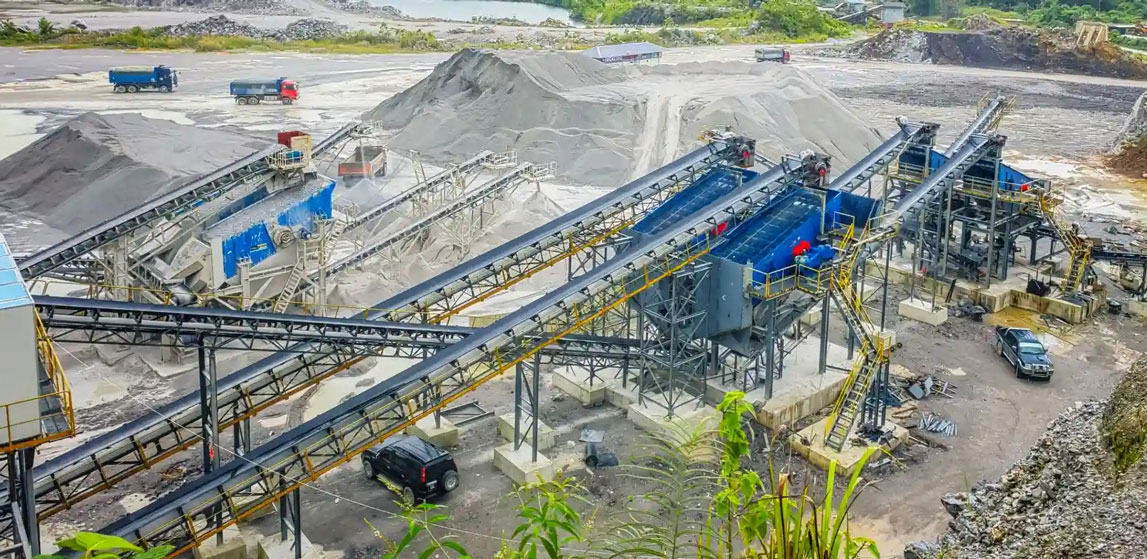
In many mineral processing projects, raw materials first pass through a stone crushing plant before entering the grinding system. Primary and secondary crushing equipment reduces large rocks into a suitable feed size, allowing grinding mills to operate more efficiently.
Appropriate crushing equipment should be selected according to the raw material and required mill feed specifications. Jaw crushers are commonly used for primary size reduction, while cone crushers or impact crushers may be applied in subsequent crushing stages depending on material properties.
Before grinding, operators should also control the following conditions:
- Feed size: Maintain a relatively consistent particle size within the mill’s specified feeding range.
- Moisture content: Avoid excessive moisture in dry grinding systems, as it may cause material adhesion and blockages.
- Feed rate: Prevent sudden increases or decreases that can destabilize grinding conditions.
- Material composition: Monitor changes in hardness and mineral characteristics that may affect grinding resistance.
4. Control Grinding and Classification Parameters
Grinding equipment alone cannot guarantee a consistent particle size distribution. Operating parameters and classification performance must work together to determine the final powder characteristics.
Optimize Feed Rate and Grinding Conditions
An excessively high feed rate can overload the grinding chamber and leave insufficient grinding time for particles to reach the target size. Conversely, feeding too little material may reduce equipment utilization and increase production costs.
Operators should adjust the feed rate according to mill capacity, material hardness, and finished product requirements. For ball mills, grinding media loading and rotation speed also influence particle size reduction and grinding efficiency.
Use Classification Equipment to Control Fineness
Air classifiers separate particles according to their aerodynamic characteristics. In integrated grinding systems, fine particles can pass through the classification stage as finished products, while oversized particles return for further grinding.
Adjusting classifier speed and airflow helps control the separation point and product fineness. However, these parameters should be optimized together because changes in one operating condition can affect the overall classification performance.
Monitor Particle Size Distribution Regularly
Routine sampling and particle size analysis help identify changes in finished powder quality. Laser diffraction is commonly used for measuring fine powder particle size distributions, while sieve analysis may be suitable for coarser materials.
Manufacturers should monitor relevant indicators such as D10, D50, and D90. These values represent the particle sizes below which 10%, 50%, and 90% of the measured particle volume fall, respectively. Tracking these indicators provides more detailed information than relying on average particle size alone.
5. Build an Integrated Grinding Production Line
For industrial powder production, an integrated processing line provides better control over material flow and finished product quality than treating grinding equipment as an isolated machine.
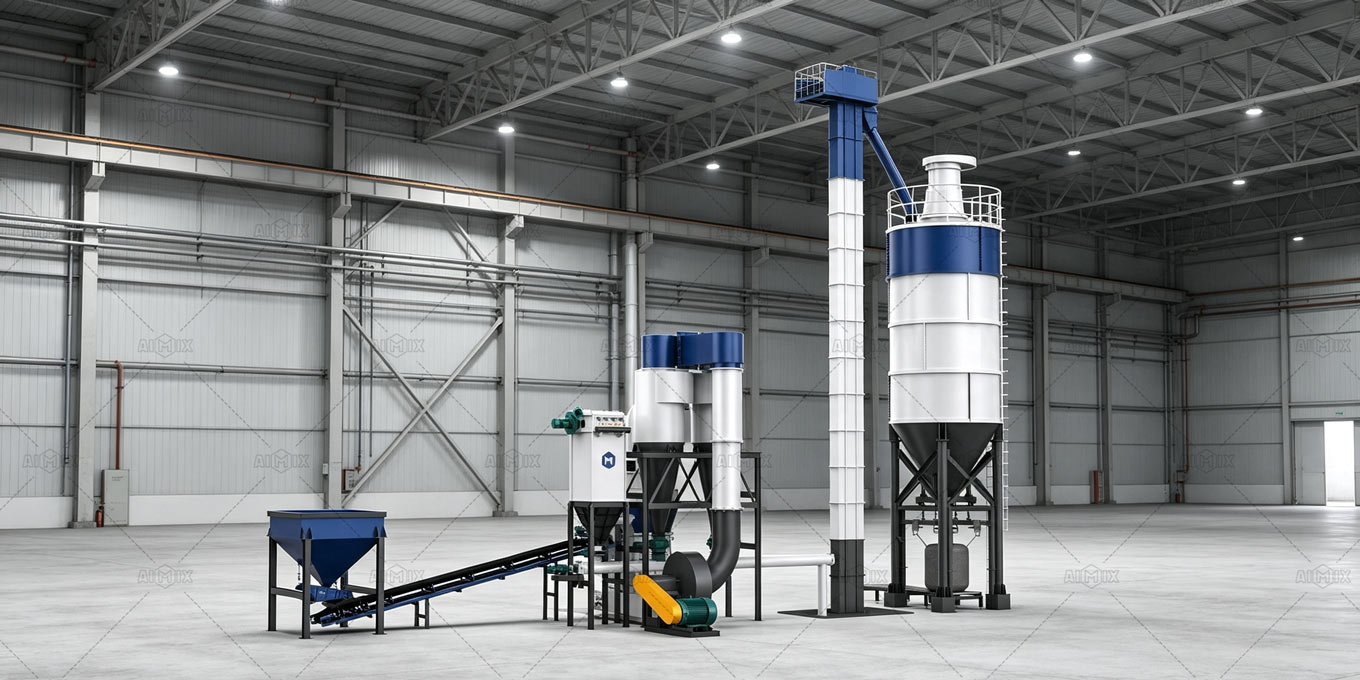
A typical dry grinding production line includes the following stages:
- Raw material feeding: A feeder delivers minerals at a controlled rate.
- Primary and secondary crushing: Crushing equipment reduces large rocks to the required mill feed size.
- Grinding: The grinding mill reduces the material to the target particle size range.
- Classification: A classifier separates fine powder from oversized particles and controls product fineness.
- Powder collection: Cyclones and dust collectors collect finished powder and help control dust emissions.
- Storage and packaging: Finished powder is transferred to storage silos or packaging equipment.
Each stage should be properly matched to the next. Insufficient crushing capacity can restrict mill feeding, while inadequate classification capacity may cause unstable product fineness. Coordinated equipment selection helps maintain continuous production and reduce unnecessary energy consumption.
Conclusion
Consistent particle size distribution in fine powder production requires more than selecting a grinding mill with a suitable fineness range. Raw material preparation, grinding parameters, classification efficiency, and regular particle size testing all influence finished product quality. By matching a ball mill machine or other grinding technology with appropriate crushing equipment and classification systems, manufacturers can establish a stable production line that balances powder fineness, output capacity, and energy efficiency.