Starting or expanding an asphalt production business requires more than choosing a plant with a suitable price. You need enough production capacity to serve road construction projects, maintain consistent asphalt quality, control operating costs, and generate a reasonable return on investment. For many medium-sized asphalt producers and road contractors, a 100 TPH asphalt batch plant offers a practical balance between production capacity and initial investment.
However, is 100 tons per hour enough for your business? Can it handle multiple road construction projects? Will its actual output meet your daily production targets? The answers depend on your project schedule, asphalt mix requirements, operating hours, transportation arrangements, and local market demand. This article examines these factors to help you decide whether a 100 TPH asphalt batch plant is the right investment for your business.
1. What Does a 100 TPH Asphalt Batch Plant Mean for Your Business?
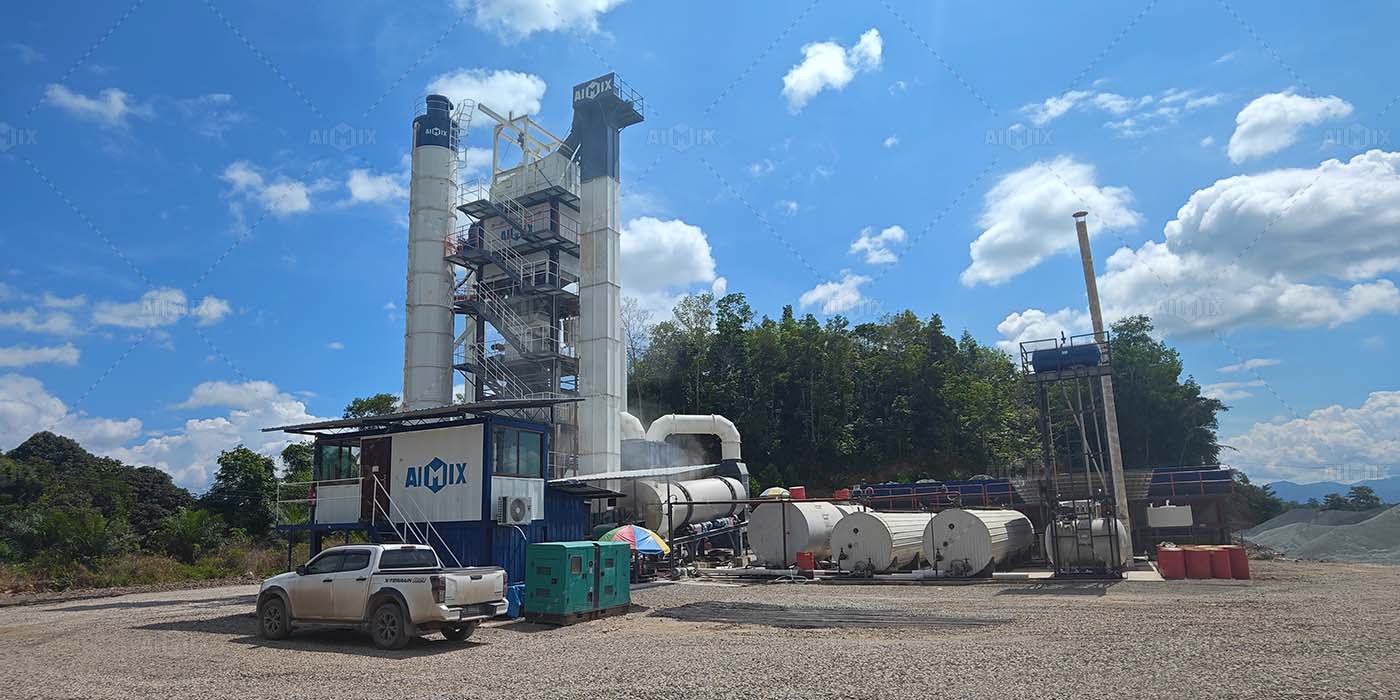
A 100 TPH asphalt batch plant has a rated production capacity of approximately 100 tons of hot mix asphalt per hour under specified operating conditions. It produces asphalt in separate batches rather than continuously discharging a single mix stream. This production method allows operators to adjust aggregate proportions, bitumen content, and filler according to different mix designs.
For a medium-sized asphalt production business, this flexibility is important. You may supply asphalt for municipal roads, provincial highways, industrial access roads, parking areas, and commercial paving projects. Different customers may require different aggregate gradations and asphalt specifications. A batch plant helps you manage these changes more effectively.
Typical Production Capacity
A 100 TPH rating represents theoretical production capacity, not guaranteed output throughout an entire working day. Actual production depends on aggregate moisture, burner performance, material feeding, mix design, plant configuration, and operating efficiency.
For preliminary business planning, consider the following production scenarios:
- 6 production hours: Up to 600 tons of theoretical output per day.
- 8 production hours: Up to 800 tons of theoretical output per day.
- 10 production hours: Up to 1,000 tons of theoretical output per day.
These figures assume continuous operation at the rated capacity. Actual daily output will normally be lower because of startup, shutdown, material replenishment, maintenance, mix changes, and equipment interruptions. Therefore, you should use realistic operating efficiency when estimating annual production and revenue.
2. Which Asphalt Production Businesses Should Consider a 100 TPH Plant?
After understanding the rated capacity, the next step is to match it with your business model. A 100 TPH asphalt batch plant does not suit every producer. Its value depends on how frequently you produce asphalt and the types of customers you serve.
Medium-Sized Asphalt Supply Businesses
If your business supplies hot mix asphalt to local road contractors, municipal projects, or private construction companies, a 100 TPH plant can provide a reasonable production foundation. It offers enough capacity for regular commercial orders without requiring the investment and operating resources of a much larger facility.
In addition, batch production gives you flexibility when customers request different asphalt mixtures. You can schedule production according to individual orders instead of relying on one continuous mix design. If you are comparing suppliers, configurations, and production methods, reviewing an experienced asphalt plant manufacturer can help you understand the technical and service differences before making a purchasing decision.
Road Contractors With Regular Paving Projects
Road construction companies that frequently undertake asphalt paving work may benefit from owning their own mixing plant. Instead of depending entirely on external asphalt suppliers, contractors can coordinate production with paving schedules and material transportation.
For example, a contractor working on provincial roads or industrial access roads may need several hundred tons of asphalt each day. A 100 TPH plant can support this demand when production hours, truck availability, and paving operations are properly coordinated.
Businesses Expanding From Smaller Asphalt Plants
If your current plant has a rated capacity of 40–60 TPH, increasing customer demand may create production bottlenecks. You may struggle to fulfill large orders while maintaining delivery schedules for existing customers.
Moving to a 100 TPH plant can increase production capacity and provide more room for business growth. However, before upgrading, compare your actual annual sales, expected contracts, and operating costs. A larger plant only creates value when the market can absorb its additional output.
3. How Much Asphalt Can a 100 TPH Plant Actually Produce Per Day?
Rated capacity is only one part of production planning. For an asphalt business, the more important question is how much finished asphalt you can produce and deliver within the working day.
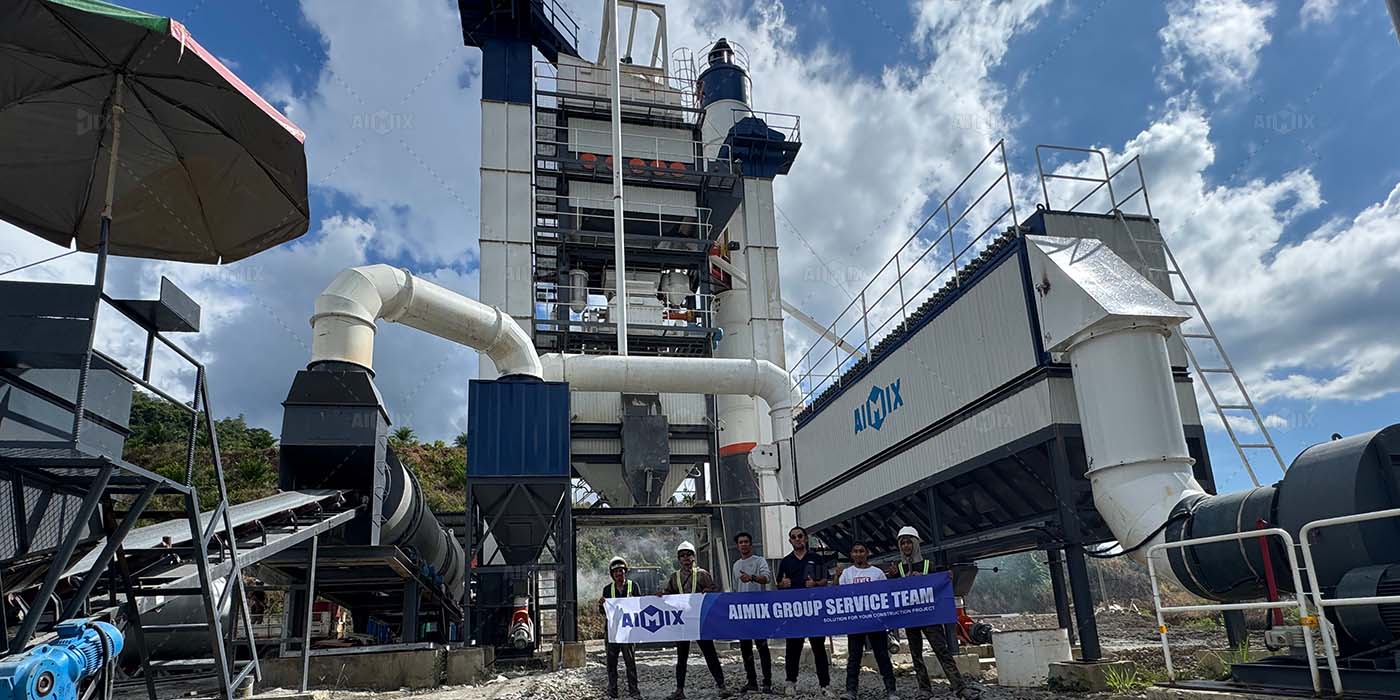
Consider a medium-sized asphalt supplier operating one shift per day. Its theoretical production capacity is 800 tons during an eight-hour shift. However, the actual output may decrease because of several operational factors.
Factors That Affect Actual Production
- Aggregate moisture: Wet aggregates require more drying energy and longer drying time. This can reduce production efficiency and increase fuel consumption.
- Aggregate gradation: Different mix designs may require different feeding and screening conditions.
- Bitumen heating: Bitumen must reach the required temperature before mixing. Insufficient heating capacity can interrupt production.
- Mixing cycle: Batch duration and mixer efficiency influence the number of batches produced per hour.
- Material supply: Delayed aggregate, filler, or bitumen deliveries can interrupt otherwise efficient production.
- Equipment maintenance: Regular inspection and timely replacement of wear parts help reduce unexpected downtime.
Therefore, you should evaluate production performance under your actual working conditions rather than relying only on the manufacturer’s rated capacity. When comparing suppliers, request information about the reference aggregate moisture, fuel type, mix design, and operating conditions used for their capacity calculations.
4. Can a 100 TPH Plant Handle Multiple Road Construction Projects?
For a medium-sized asphalt business, serving several customers can be more profitable than depending on one large project. However, multiple orders also create scheduling and logistics challenges.
A 100 TPH asphalt batch plant can support different projects when production planning matches the required asphalt mixtures and delivery schedules. For businesses looking for a local asphalt plant solution, the location of production facilities and the distance to construction sites should also influence the purchasing decision.
Municipal and Provincial Road Construction
Local road projects often involve different paving sections, surface conditions, and asphalt specifications. A batch mixing system allows operators to adjust mix proportions between production runs. This makes it useful for suppliers serving several municipal or provincial road contractors.
Industrial Roads and Factory Access Roads
Industrial parks, mining areas, warehouses, and factory access roads may require reliable asphalt supply within limited construction periods. A 100 TPH plant can support regular production while allowing the operator to organize deliveries according to each project’s paving schedule.
Commercial and Private Infrastructure Projects
Parking areas, residential developments, logistics facilities, and commercial access roads can provide additional business opportunities. These projects may have different order volumes and delivery requirements. Therefore, flexible batch production can help your business serve a wider customer base.
Nevertheless, plant capacity alone cannot guarantee timely delivery. You must also consider the distance between the plant and construction sites, truck capacity, loading time, traffic conditions, and asphalt temperature during transportation.
5. Is a 100 TPH Asphalt Batch Plant More Economical Than a Larger Plant?
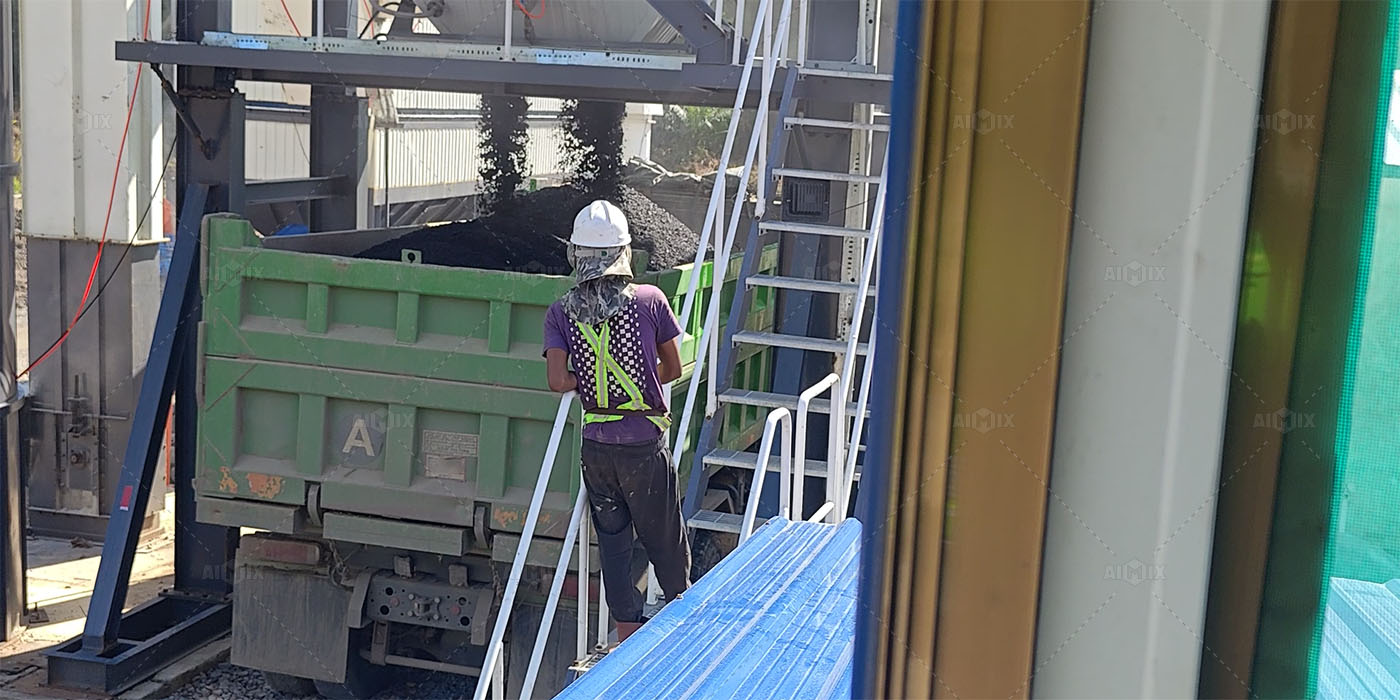
Choosing the right production capacity is also a financial decision. A larger asphalt plant may offer higher output, but it usually requires greater initial investment and additional supporting infrastructure. If your sales volume cannot support that capacity, the equipment may remain underutilized.
On the other hand, a plant that is too small may limit your ability to accept larger contracts. It can also create production delays when several customers need asphalt at the same time.
Initial Investment Considerations
When calculating the investment for a 100 TPH asphalt batch plant, do not focus only on the equipment purchase price. The complete project budget may include:
- Main asphalt mixing plant and supporting equipment.
- Aggregate storage bins, conveyors, and screening systems.
- Bitumen storage tanks and heating equipment.
- Fuel storage and burner systems.
- Dust collection and emission control equipment.
- Electrical systems, control room, and installation.
- Foundation construction and site preparation.
- Transportation, import duties, and local logistics.
- Spare parts, commissioning, and operator training.
The actual investment varies according to equipment configuration, environmental requirements, automation level, local regulations, and installation conditions. Therefore, request an itemized quotation when comparing an asphalt batch mix plant for sale instead of comparing suppliers based only on their headline equipment prices.
Operating Costs and Profitability
Operating costs directly affect the profitability of asphalt production. Fuel, electricity, bitumen, aggregates, mineral filler, labor, maintenance, and transportation all contribute to the cost per ton.
For example, aggregate moisture can significantly affect fuel consumption because the dryer must remove water before heating the materials to the required temperature. Similarly, a long distance between the plant and paving site can increase transportation expenses and create additional temperature-control challenges.
To evaluate profitability, calculate your expected contribution per ton after deducting variable production costs. Then compare the annual contribution with fixed expenses, financing costs, depreciation, and other business expenses. This approach provides a more realistic investment assessment than simply multiplying rated production capacity by the selling price.
6. What Equipment Configuration Should You Consider?
Once the capacity matches your business demand, you should examine the plant configuration. Two asphalt plants with the same rated output may have different operating performance, environmental control, and maintenance requirements.
Aggregate Cold Feed System
The cold aggregate feeding system supplies different aggregate sizes to the drying and heating process. Multiple storage bins help operators control the proportions of various materials. For businesses producing several asphalt mixtures, adequate bin capacity and reliable feeding equipment are particularly important.
Drying Drum and Burner System
The drying drum removes moisture and heats aggregates to the required temperature. The burner must match the plant’s production requirements and local fuel conditions. When selecting a system, consider fuel availability, aggregate moisture, thermal efficiency, and maintenance access.
Vibrating Screen and Hot Aggregate Bins
After drying, the plant screens hot aggregates into different size fractions. Hot aggregate bins temporarily store these materials before batching. Their capacity and screening performance influence the stability of production and the plant’s ability to meet different mix designs.
Weighing and Mixing Systems
Accurate weighing systems control aggregate, bitumen, and filler proportions. The mixing system then combines these materials into the required asphalt mixture. Consistent weighing and mixing help maintain product quality across different production batches.
Dust Collection and Environmental Protection
Dust collection is an essential part of an asphalt mixing plant. A suitable dust collector helps control emissions from aggregate drying and handling. The complete environmental configuration must also comply with local requirements for exhaust emissions, noise, site management, and waste handling.
These systems work together to produce hot mix asphalt (HMA). When comparing an amp hotmix solution, check whether its drying, screening, weighing, mixing, and dust collection systems match your required production conditions and asphalt specifications.
7. What Site and Logistics Conditions Should You Check Before Buying?
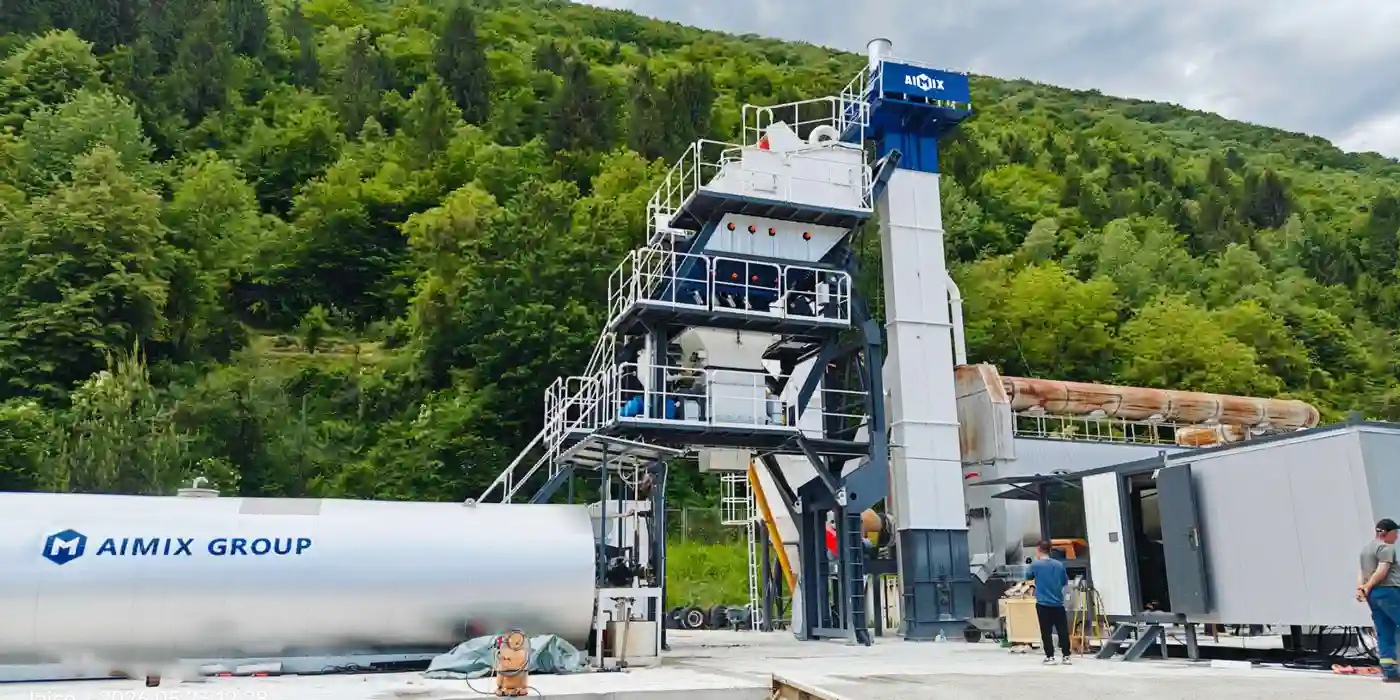
Even a well-configured 100 TPH plant may perform poorly if the installation site is unsuitable. Therefore, evaluate the site before confirming your equipment order.
Site Space and Foundation
Check the available land area for the main plant, aggregate stockpiles, bitumen tanks, finished asphalt loading, truck circulation, and maintenance access. The foundation design should follow the equipment supplier’s engineering drawings and local ground conditions.
Raw Material Availability
Reliable access to aggregates, bitumen, and mineral filler is essential. If raw materials come from distant suppliers, transportation costs and delivery delays may reduce your production efficiency.
Distance to Construction Projects
Hot mix asphalt must reach the paving site within a suitable temperature range. Long transportation distances can create cooling problems, especially in heavy traffic or challenging road conditions. Before investing, calculate the delivery distance and available truck fleet capacity.
Local Environmental and Operating Requirements
Check applicable environmental permits, land-use conditions, emissions requirements, and local construction regulations before installation. Early preparation can reduce approval delays and prevent expensive changes after equipment delivery.
8. When Should You Choose 100 TPH Instead of 60 TPH or 120 TPH?
If you are still comparing plant capacities, evaluate your expected production demand rather than selecting a model based only on its rated output.
Choose 60 TPH for Smaller or Less Frequent Orders
A 60 TPH plant may be more suitable if your business serves small contractors, occasional road projects, or a limited local market. Its lower production capacity may also reduce the initial investment and supporting infrastructure requirements.
Choose 100 TPH for Regular Medium-Volume Production
A 100 TPH plant is worth considering when you have recurring asphalt orders, several potential customers, and a stable supply of raw materials. It can provide a balance between production capacity, investment requirements, and operational flexibility.
Choose 120 TPH or Higher for Greater Production Demand
If your business regularly handles large highway contracts, multiple simultaneous paving projects, or high-volume commercial asphalt supply, a 120 TPH or larger plant may offer better long-term production capacity.
However, do not automatically choose the largest option. If market demand remains uncertain, excess capacity can increase depreciation, maintenance, and financing pressure without generating additional revenue.
9. How to Calculate Whether a 100 TPH Plant Is a Good Investment
Before purchasing, build a simple business forecast using actual or expected customer demand. This helps you determine whether the plant can generate enough production volume to cover its costs.
Step 1: Estimate Annual Asphalt Demand
Calculate the expected tonnage from confirmed contracts, regular customers, and realistic market opportunities. Separate guaranteed demand from potential sales to avoid overestimating revenue.
Step 2: Calculate Realistic Annual Production
Estimate the number of operating days, production hours per day, and realistic operating efficiency. Do not assume the plant will operate continuously at 100 TPH throughout every shift.
Step 3: Estimate Production Cost Per Ton
Include aggregates, bitumen, filler, fuel, electricity, labor, maintenance, and other production expenses. Also account for transportation if your business delivers finished asphalt to customers.
Step 4: Calculate Annual Contribution
Subtract variable production costs from expected asphalt sales revenue. Then deduct fixed operating expenses, loan payments, depreciation, taxes, and other applicable costs to estimate the actual business return.
Step 5: Evaluate Break-Even Production
Calculate how many tons you need to sell to cover your fixed and variable expenses. This figure helps you understand the minimum sales volume required to keep the plant commercially viable.
A realistic investment decision should also consider seasonal demand, contract delays, bitumen price fluctuations, competition, and the possibility of unexpected equipment downtime.
10. Why Work With an Experienced Asphalt Plant Manufacturer?
Purchasing a 100 TPH asphalt batch plant is a long-term business investment. Therefore, the supplier should provide more than a machine quotation. You need technical support that connects equipment configuration with your production targets and operating environment.
We understand that different asphalt businesses have different investment priorities. Some customers need a reliable plant for regular asphalt supply, while others want to expand existing production capacity or support their own road construction projects.
ALQ series asphalt batch mixing plants cover capacities from 40 to 320 TPH. This range allows customers to compare different production requirements and select a configuration based on their project scale.
When evaluating a 100 TPH solution, we can discuss the following factors with your team:
- Expected hourly and daily asphalt production.
- Required asphalt mix designs and aggregate specifications.
- Plant layout and available installation space.
- Bitumen storage, heating, and fuel system requirements.
- Dust collection and environmental configuration.
- Installation, commissioning, and operator training.
- Spare parts availability and after-sales technical support.
The goal is not simply to supply a plant with a 100 TPH rating. It is to help you establish a production system that supports your actual business operations and long-term development.
Conclusion: Is a 100 TPH Asphalt Batch Plant the Right Choice?
A 100 TPH asphalt batch plant can be a suitable investment for a medium-sized asphalt production business, particularly when the company has regular customer orders, stable raw material supplies, and a manageable delivery radius. It provides a useful balance between production capacity and investment requirements while allowing flexible production of different asphalt mixtures.
However, the right choice depends on your actual sales volume, project schedule, site conditions, operating costs, and future business plans. A 60 TPH plant may be sufficient for a smaller market, while a 120 TPH or larger plant may be more appropriate for businesses handling high-volume contracts.
Planning to invest in a 100 TPH asphalt batch plant? Contact us to discuss your expected daily output, project applications, installation location, and required equipment configuration. Our team can help you evaluate a suitable ALQ series asphalt mixing plant and prepare a solution based on your production and investment objectives.