The construction industry is increasingly diverse, ranging from small residential projects to massive infrastructure developments. This diversity requires concrete producers to adopt flexible solutions that can meet varying project sizes, capacities, and local requirements. That’s where concrete batch plant manufacturers step in, offering customized solutions tailored to both small-scale and large-scale operations. From compact modular units for limited spaces to high-capacity automated plants for urban and industrial projects, these manufacturers play a crucial role in supporting the concrete supply chain efficiently.
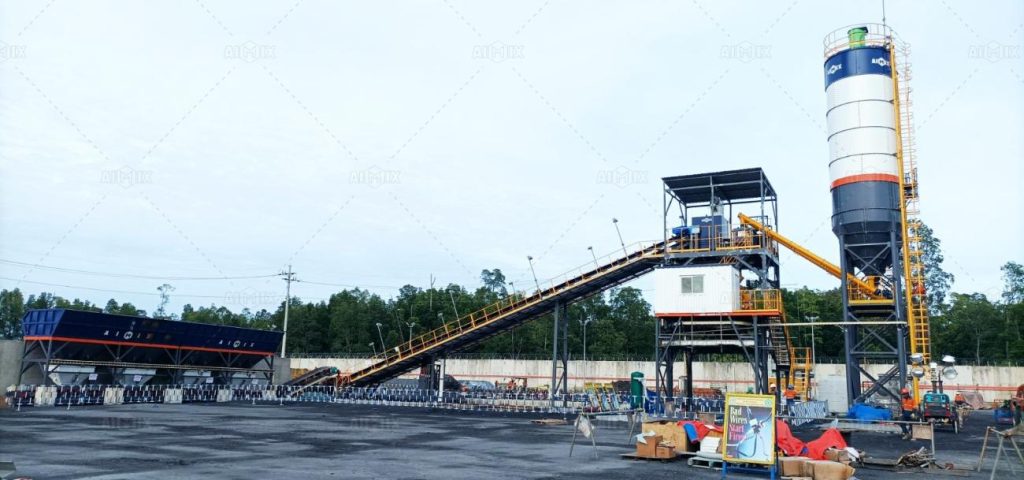
Understanding Customization in Concrete Batch Plants
Customization in concrete batch plants isn’t just about size. Modern manufacturers consider multiple factors:
-
Production Capacity: Small projects may require 25–60 m³/h plants, while large-scale infrastructure demands 120–240 m³/h or more.
-
Automation Level: Manual, semi-automatic, or fully automated plants can be provided depending on labor availability, budget, and quality requirements.
-
Material Handling: Some projects require specialized cement, fly ash, or recycled aggregates handling systems.
-
Space and Layout: Compact designs for limited land areas or modular designs for easy transport and installation.
These considerations ensure that clients—from small contractors to large construction companies—receive plants that perfectly match their operational needs.
Customized Solutions for Small Projects
Small-scale projects, such as residential complexes, schools, or local roads, often face constraints in space, budget, and workforce. Concrete batch plant manufacturers address these challenges with compact and portable designs.
For instance, a batching plant in Cebu may serve contractors who need a reliable yet affordable solution for urban projects. These plants are typically mobile or semi-stationary, easy to install, and require minimal staffing. Despite their smaller size, modern designs still provide consistent mixing quality and support a variety of concrete types.
Benefits for small projects include:
-
Reduced upfront investment.
-
Flexibility to relocate the plant as projects change.
-
Simplified operation and maintenance.
By providing compact and adaptable plants, manufacturers help small contractors maintain competitiveness without compromising quality.
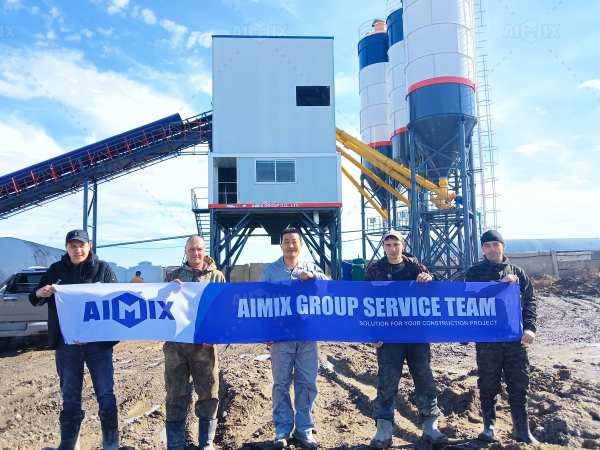
Tailored Plants for Large-Scale Projects
Large projects, such as highways, airports, and commercial complexes, require high-capacity and high-efficiency concrete batch plants. These plants often operate 24/7, supporting multiple trucks and delivering precise concrete mixes consistently.
A concrete batching plant supplier in Malaysia frequently designs solutions for major infrastructure projects, incorporating features like:
-
Fully automated control systems for precise material weighing and mixing.
-
Multiple aggregate bins for simultaneous batching of different materials.
-
Dust suppression and water recycling systems to meet environmental standards.
-
Integration with logistic systems for real-time monitoring of truck loading and production.
Customization ensures that large contractors can optimize productivity, reduce labor costs, and meet strict quality standards.
Regional Adaptation and Local Support
Customization isn’t limited to capacity or technology; local conditions play a significant role. Concrete batching plant in Singapore, for example, requires compact layouts due to limited space in urban areas and strict environmental regulations regarding noise, dust, and water runoff. Manufacturers collaborate with local partners to ensure plants comply with regulations while maximizing efficiency.
Similarly, in Southeast Asia, suppliers consider climate, labor availability, and transportation infrastructure when designing customized solutions. This ensures smooth installation, operational efficiency, and long-term reliability.
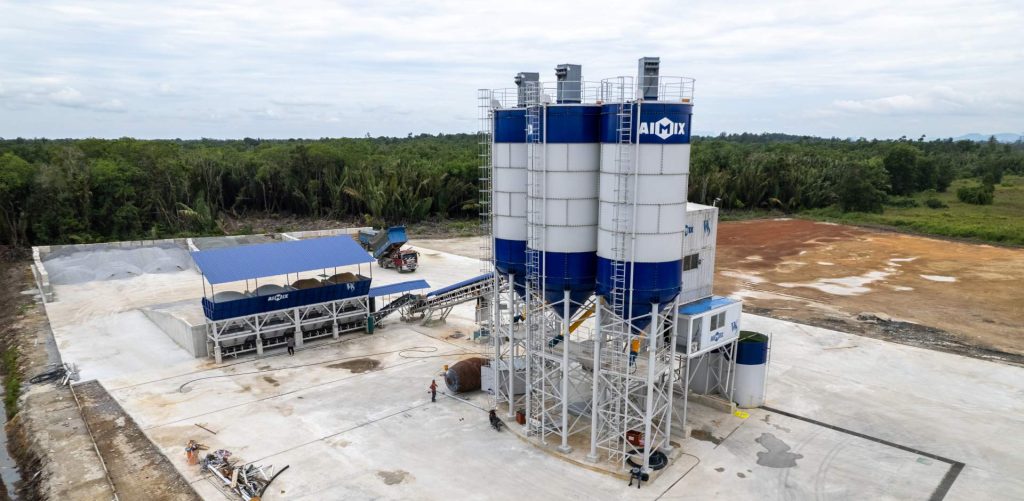
Technology Integration and Automation
One of the key elements of customization is the level of technology integration. Modern concrete batch plant manufacturers offer:
-
Digital monitoring and remote control systems.
-
Automated dosing and mixing processes for consistent concrete quality.
-
Real-time data analytics to optimize production and reduce downtime.
-
Remote troubleshooting and predictive maintenance features.
For both small and large projects, these technologies enhance productivity, reduce waste, and provide detailed insights into plant performance.
Environmental and Sustainability Considerations
Sustainability is increasingly critical in construction projects. Customized batch plants now include solutions such as:
-
Dust collection systems and emission controls.
-
Water recycling and waste concrete management.
-
Use of alternative materials, including fly ash, slag, and recycled aggregates.
Manufacturers providing batching plant in Cebu or concrete batching plant in Singapore emphasize green solutions to ensure compliance with local environmental standards while minimizing operational costs.
Partnering with the Right Manufacturer
Choosing the right concrete batching plant supplier in Malaysia or elsewhere involves evaluating:
-
Proven track record in delivering tailored solutions.
-
Local service network for maintenance and support.
-
Flexibility in design and customization options.
-
Cost-effectiveness across plant lifecycle, including installation, operation, and maintenance.
By partnering with a reliable manufacturer, contractors can ensure consistent production quality, meet project timelines, and achieve a strong return on investment.
Conclusion
Modern construction projects demand versatility and efficiency. Concrete batch plant manufacturers meet these requirements by offering customized solutions for both small and large-scale projects. Whether it’s a compact batching plant in Cebu, a high-capacity installation from a concrete batching plant supplier in Malaysia, or a space-efficient concrete batching plant in Singapore, customization ensures optimal performance, compliance, and cost-effectiveness.
As urbanization and infrastructure growth continue worldwide, partnering with manufacturers that provide tailored solutions is critical for contractors seeking to maintain quality, efficiency, and competitiveness in an evolving industry.